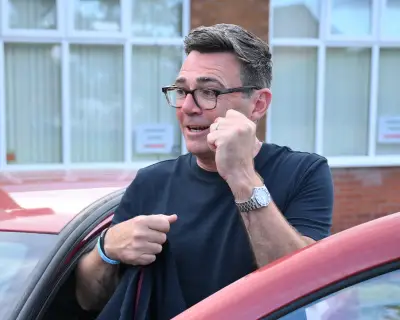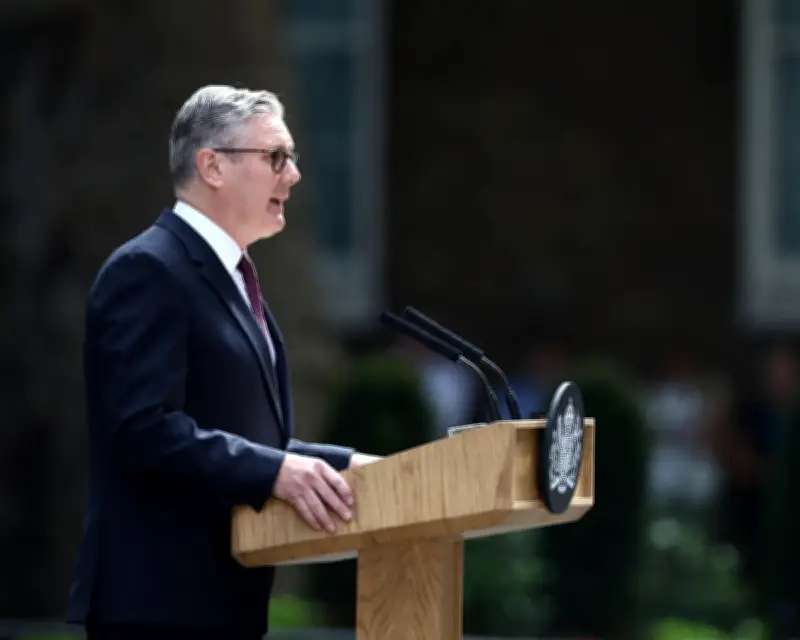
Keir Starmer has resigned as prime minister following a devastating internal rebellion within the Labour Party, ending a tumultuous tenure that lasted just over two years. The announcement, made outside Downing Street on Tuesday morning, came after a coordinated letter from over 40 Labour MPs demanding his departure, citing a loss of confidence in his leadership and direction.
What Happened: The Collapse of Starmer's Premiership
Starmer's resignation follows months of mounting pressure from both the left and right wings of the party. Critics pointed to his failure to deliver on key promises, including a stagnant economy, rising NHS waiting lists, and a series by-election defeats. The final blow came when Greater Manchester Mayor Andy Burnham publicly called for a leadership contest, positioning himself as a candidate who could reunite the fractious party. According to a senior Labour source, “The party has lost its way under Starmer, and Burnham offers a fresh start without abandoning core Labour values.”
The Trigger: Internal Rebellion and By-Election Losses
The rebellion was sparked by Labour's disastrous performance in last week's by-elections, where the party lost two safe seats to the Liberal Democrats and saw a 15% swing to the Greens in a third. A leaked internal memo revealed that Labour's membership had fallen by 20,000 in the past year, with many citing disillusionment with Starmer's centrist agenda. In his resignation speech, Starmer acknowledged the party's divisions, stating, “I have always put the country first, but it is clear that I am no longer the best person to lead this party or this nation. The Labour movement needs a new voice.”

Andy Burnham: The Unity Candidate
Andy Burnham, the popular mayor of Greater Manchester, has quickly emerged as the frontrunner to replace Starmer. Known for his grassroots appeal and cross-party collaboration during the pandemic, Burnham has positioned himself as a bridge between the party's warring factions. In a statement released shortly after Starmer's resignation, Burnham said, “Labour must rediscover its soul and its purpose. We need to build a coalition of the many, not the few, and I am ready to lead that charge.” Burnham has already secured endorsements from a dozen Labour MPs, including several from the left-wing Socialist Campaign Group.
Impact on UK Politics and the Labour Party
Starmer's resignation throws UK politics into turmoil, with the opposition Conservative Party capitalising on Labour's disarray. Prime Minister Rishi Sunak called the situation “a sign of a party in chaos” and urged an early general election. However, Labour insiders believe Burnham could revive the party's fortunes by appealing to traditional Labour voters in the north of England and the Midlands, areas where Starmer struggled. The leadership contest is expected to conclude within six weeks, with Burnham facing potential challenges from shadow cabinet members Rachel Reeves and Lisa Nandy.
What Comes Next: Leadership Contest and Beyond
The Labour Party's National Executive Committee has announced a leadership election, with nominations opening immediately and closing in two weeks. Candidates must secure the backing of at least 10% of Labour MPs to stand. Burnham is widely seen as the favourite, but he faces scrutiny over his record on policing and his stance on Brexit. A recent poll by YouGov found that 52% of Labour members would vote for Burnham in a head-to-head against Reeves, while 48% would prefer Nandy. The winner will face the immediate challenge of uniting a deeply divided party and preparing for a general election that could be called as early as autumn.