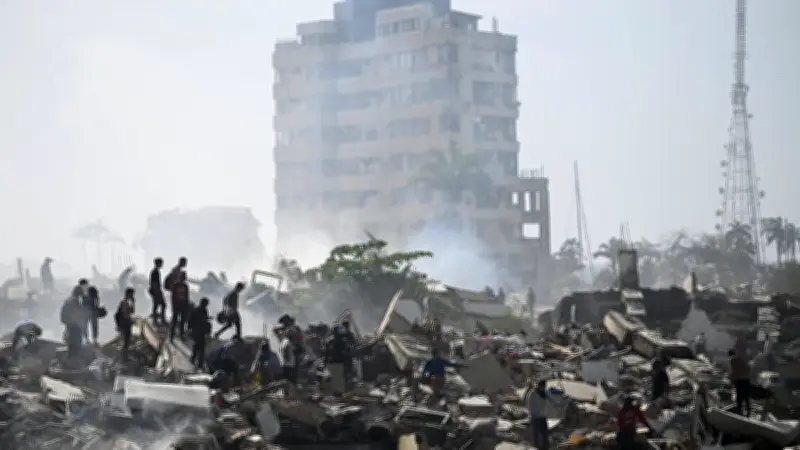
Rescuers are racing against time to find survivors after a devastating 7.3-magnitude earthquake struck Venezuela on Friday, killing at least 45 people and injuring hundreds more. The quake, one of the strongest to hit the country in decades, caused widespread destruction in the northern regions, toppling buildings and triggering landslides.
Impact and Immediate Response
The earthquake struck at 11:32 a.m. local time, with its epicenter located near the city of Cumaná in Sucre state. According to the U.S. Geological Survey, the quake was relatively shallow at just 20 kilometers deep, amplifying its destructive power. Venezuelan Interior Minister Remigio Ceballos confirmed the death toll, stating that at least 45 people had died and over 500 were injured. He added that the number of casualties is expected to rise as search and rescue operations continue.
President Nicolás Maduro declared a state of emergency in the affected states of Sucre, Monagas, and Anzoátegui, mobilizing the military and civil protection forces to assist in rescue efforts. He also appealed for international aid, saying, "We are facing a tragedy of immense proportions. We need all the help we can get to save lives and rebuild."

Rescue Operations and Challenges
Rescue teams, including specialized units from Colombia and Mexico, are working tirelessly to locate survivors trapped under rubble. In Cumaná, a six-story apartment building collapsed, trapping an unknown number of people. Firefighters and volunteers have been using heavy machinery and trained dogs to search for signs of life. However, efforts have been hampered by ongoing aftershocks, power outages, and damaged roads.
At least 200 people have been pulled alive from the debris so far, according to local officials. But the need for heavy equipment and medical supplies is critical. Hospitals in the region are overwhelmed, with many patients being treated in makeshift tents outside damaged facilities.
Humanitarian Crisis and International Response
The earthquake compounds an already dire humanitarian situation in Venezuela, which has been grappling with economic collapse, hyperinflation, and shortages of food and medicine. The United Nations has pledged $10 million in emergency aid, while the Red Cross has deployed teams to provide medical care and distribute water and blankets. The United States, despite tense relations with the Maduro government, offered assistance, with a State Department spokesperson saying, "Our hearts go out to the Venezuelan people. We stand ready to provide support."
In the hardest-hit areas, thousands of people are now homeless, seeking shelter in open fields or with relatives. Many are afraid to return to their homes due to the risk of collapse. Local authorities have set up temporary shelters in schools and community centers, but resources are scarce.
Geological Context and Preparedness
Venezuela lies along the Caribbean tectonic plate boundary, making it prone to earthquakes. However, the country lacks robust building codes and disaster preparedness infrastructure. Many structures in Cumaná and nearby towns were poorly constructed, contributing to the high level of destruction. Seismologists warn that aftershocks could continue for weeks, further endangering survivors and hampering rescue efforts.
As the search for survivors continues, the focus is also shifting to the long-term recovery. The government has promised to rebuild damaged infrastructure, but with the economy in shambles, the road to recovery will be long and difficult. For now, the priority remains finding those still trapped and providing immediate relief to the thousands affected by this brutal disaster.