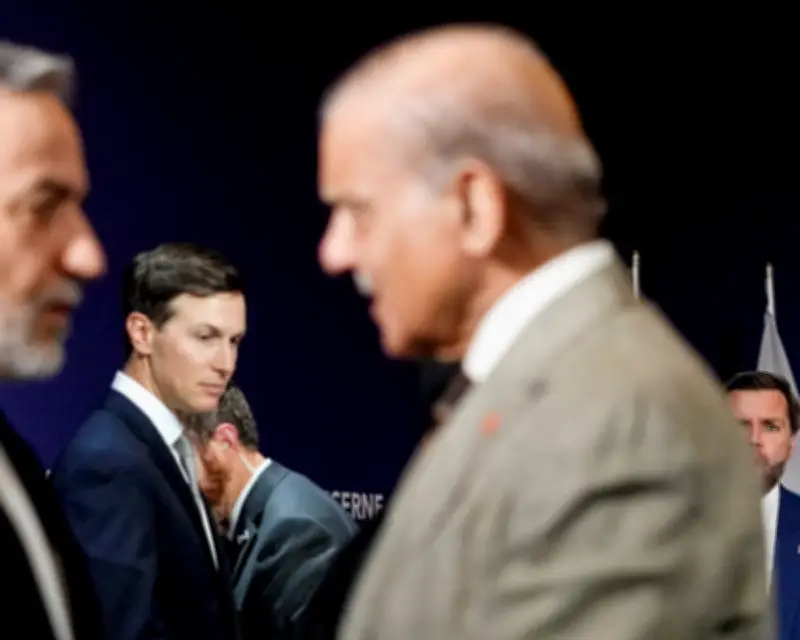
Iran's foreign minister, Abbas Araghchi, declared 'progress' after the first day of talks between high-ranking US and Iranian officials concluded in Switzerland, despite a tense opening marked by threats from US President Donald Trump to restart attacks. The talks, mediated by Pakistan and Qatar, resulted in a joint statement outlining a roadmap towards a final deal within 60 days.
Mediators Announce Roadmap and Continued Technical Talks
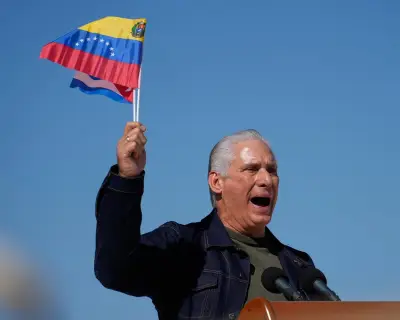
A joint statement from mediators Qatar and Pakistan said the US and Iran agreed to a roadmap towards a final deal within 60 days. Technical talks between lower-ranked officials will continue for the rest of the week, with fighting between Israel and Iran-backed Hezbollah in Lebanon at the top of the agenda. 'Pakistani and Qatari mediation has delivered major progress to end Lebanon war,' said Abbas Araghchi after talks broke up just after 3am local time (1am GMT).
Key Agreements: Communication Line and De-confliction Cell
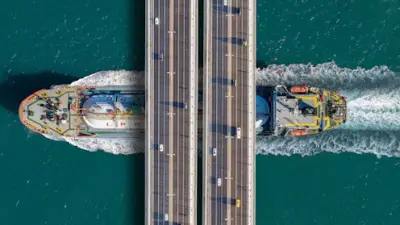
The joint statement said the US and Iran agreed to establish a 'communication line' to avoid incidents in the Strait of Hormuz, and to set up a 'de-confliction cell' with Lebanon's government to ensure the 'adherence of the termination of military operations in Lebanon.' Araghchi noted that the first real test of the understandings reached would be this deconfliction method for Lebanon, which has emerged as the biggest threat to the agreement signed by the US and Iran last week.

Iran Reinstates Blockade in Strait of Hormuz Amid Israeli Strikes
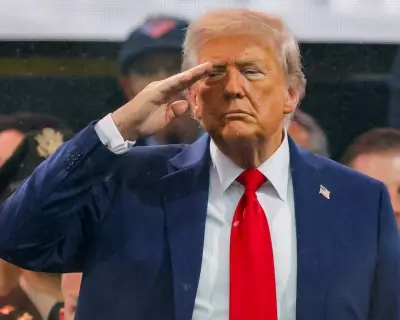
Over the weekend, Iran said it had reinstated its blockade in the Strait of Hormuz in protest at continued Israeli strikes on Lebanon, alleging that Trump was allowing Israel to breach the memorandum of understanding (MOU). The MOU calls for a ceasefire on all fronts, but Israel killed more than 30 people in attacks on Saturday in central and southern Lebanon. Despite the US military denying that the strait had been closed, Trump responded strongly to the threat on Sunday, saying: 'You close it and you won't have a country. You won't even make it back to your fucking country.' The US president also weighed in on Lebanon, writing on social media: 'Iran must immediately stop their highly paid proxies in Lebanon from causing trouble … If they don't, we'll hit Iran very hard again.'
Talks Paused After Trump's Insulting Message, Then Resumed via Mediators
Iranian state media said talks had paused after the 'publication of an insulting message by the US President.' The Iranian delegation then met with Qatari mediators and left the negotiating site, state media said. Iran's semi-official Tasnim news agency said the Iranian delegation refused to return to the room where talks were held, but messages were still being traded via Pakistani and Qatari mediators. Speaking to reporters, a senior US diplomat said late on Sunday that the Iranians remained on site and the negotiations were on, according to the Associated Press.
US Negotiating Team Led by Vice-President JD Vance
Vice-president JD Vance led the US negotiating team in talks with Iranian officials under the terms of the MOU, which allows for 60 days of talks and extends the ceasefire agreed between both sides in April. He was joined by US special envoy Steve Witkoff and the president's son-in-law, Jared Kushner. Iran was represented by Ghalibaf, Iran's parliamentary speaker, and Araghchi. It was unclear whether Vance was set to continue the talks on Monday. The vice-president told US media that he anticipated staying only a 'day or two'. 'The question before us now is how much more can we accomplish together? Can we turn over a new leaf?' Vance said as the talks began.

Nuclear Program and Lebanon Ceasefire Remain Key Issues
Vance and his US negotiating team will use the 60 days of talks to try to reach an agreement over Iran's nuclear program. The MOU calls for Iran to, at minimum, dilute its stockpile of highly enriched uranium, but many issues – including Tehran's right to enrich uranium in the future – remain unresolved. Vance also played down the impact of violence in Lebanon, saying progress had been made towards ending hostilities there. Neither Israel nor Hezbollah is a signatory to the US-Iran deal, and Israeli Prime Minister Benjamin Netanyahu has vowed to keep his forces in southern Lebanon until any threat to Israel is eliminated. Hezbollah has refused to halt attacks unless Israel commits to withdrawing. Despite this, a renewed ceasefire in Lebanon – brokered on Saturday – appeared to be holding.
Iran Demands Delivery of MOU Terms Before Nuclear Talks Begin
According to Iranian state media, Tehran's negotiating team said that the start of talks on nuclear issues would require the delivery of other parts of the MOU, including US waivers authorising Iranian oil exports and the release of frozen assets. Under the terms of the MOU, Iran is allowed to immediately sell its oil freely, while the agreement paves the way for Iran to tap into billions of dollars in assets that are currently frozen. In a post on social media, Araghchi said his country had secured waivers for oil and petrochemical exports, the release of some frozen assets and the launch of a reconstruction and development plan for Iran. There was no comment from the US on these claims.