In the trenches of eastern Ukraine, the sound of artillery is a constant companion. For journalists embedded with Ukrainian forces, every day is a battle not just to capture the story, but to survive. The war, now in its third year, has become a grim routine for those on the front lines.
The Daily Grind of War
Reporting from the front means waking to the crack of shells and the hum of drones. Journalists like myself move between fortified positions, documenting the lives of soldiers who have been fighting for months without respite. The landscape is scarred by craters and rubble, a testament to the relentless violence.
According to Ukrainian military officials, over 10,000 civilians have been killed since the invasion began, with millions displaced. The numbers are staggering, but behind each statistic is a human story. In the city of Bakhmut, now largely destroyed, we met elderly residents refusing to leave their homes. "This is my life," one woman told us, her voice trembling. "I have nowhere else to go."

The Toll on Civilians
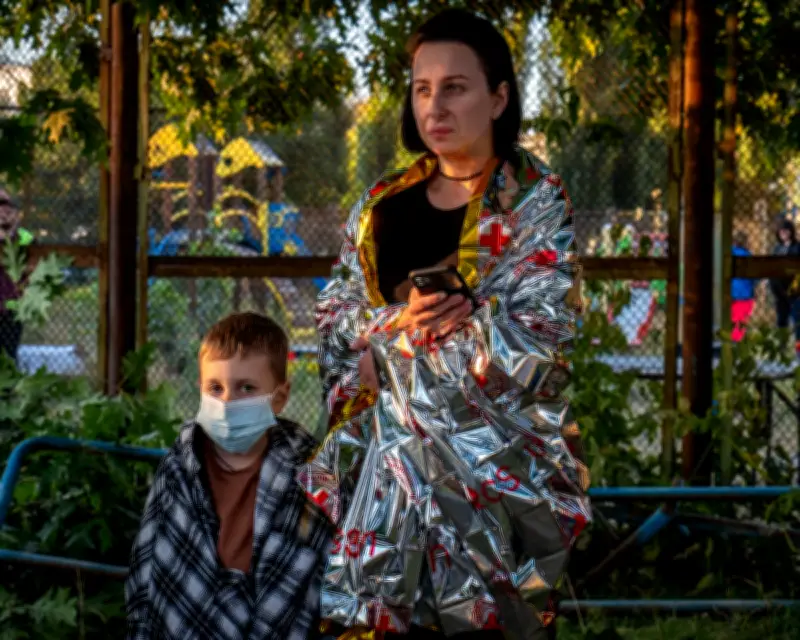
Civilians bear the brunt of the conflict. Villages near the front line are often without power, water, or medical supplies. Humanitarian aid convoys struggle to reach them due to constant shelling. The psychological toll is immense; children have grown up knowing only war. A local teacher in a bombed-out school said, "They don't remember peace. They only know sirens and fear."
International organizations estimate that over 7 million Ukrainians have fled abroad, while another 5 million are internally displaced. The exodus has reshaped demographics across Europe, with Poland hosting the largest number of refugees.
Challenges for Journalists
Reporting from the front is fraught with danger. Journalists are often targeted, with at least 15 killed since the war began. We travel in armored vehicles, wearing helmets and flak jackets, but no protection can guarantee safety. Press freedom groups have documented numerous attacks on media workers, including deliberate strikes on known press locations.
Despite the risks, we continue because the world needs to see what is happening. As one colleague put it, "If we don't tell their stories, the war becomes just numbers. We owe it to the people to bear witness."
The Human Cost
The front line is not just a place of combat; it is a place of profound humanity. Soldiers share photos of their families, civilians offer us tea in their shattered homes, and children wave as we pass. These moments remind us why we are here.
But the cost is high. Many journalists suffer from PTSD, haunted by what they have seen. The war has also taken a toll on Ukrainian society, with over 20,000 soldiers reported killed and countless more wounded. The true number may never be known.
Looking Ahead
As the conflict grinds on, there is no end in sight. Peace talks have stalled, and both sides dig in for a long war. For those of us reporting, we must continue to document the truth, no matter how painful. The world may grow weary of the war, but for Ukrainians, it is their daily reality.
In the words of a soldier we met near the front: "We fight for our land, for our families. We have no choice. But we hope that one day, our children will know peace."