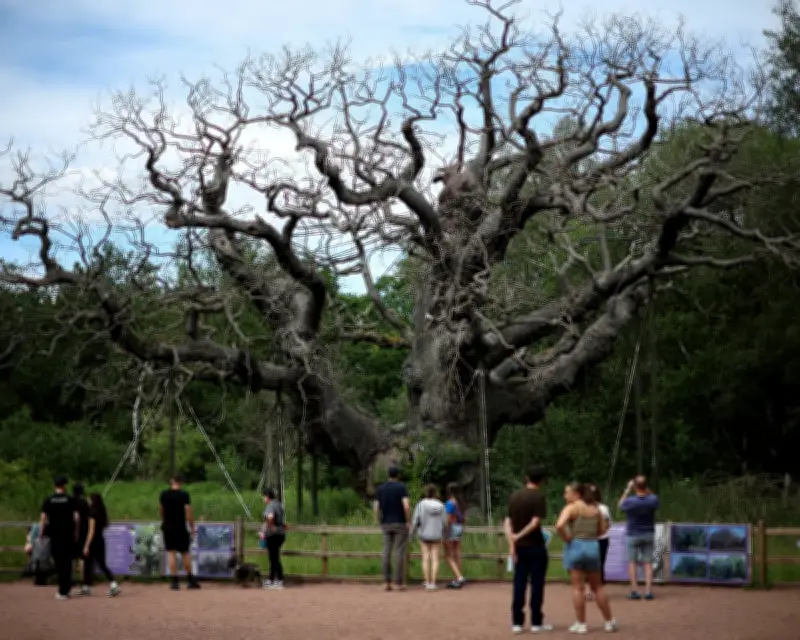
Iconic Tree Succumbs to Age and Disease
The Major Oak, the legendary tree in Sherwood Forest associated with Robin Hood, has died. The ancient oak, estimated to be between 800 and 1,000 years old, finally succumbed to a combination of old age, disease, and structural weakness. Forestry England confirmed the death, noting that the tree had been in decline for several years despite intensive care.
Conservationists Demand Stronger Legal Safeguards
The loss has reignited calls for stronger legal protections for Britain's ancient trees. Campaigners argue that the current system of Tree Preservation Orders is inadequate, leaving many veteran trees vulnerable to development and neglect. The Woodland Trust says the UK is home to more ancient oaks than any other country in northern Europe, but many lack legal protection.
A Symbol of Heritage and Biodiversity
The Major Oak was not only a cultural icon but also a vital habitat for hundreds of species of insects, fungi, birds, and mammals. Its death represents a significant loss for biodiversity in Sherwood Forest. According to the Woodland Trust, ancient trees support more wildlife than any other single feature in the landscape.

Government Response and Future Plans
The government has pledged to review the effectiveness of existing protections. Environment Secretary said, "The loss of the Major Oak is a stark reminder of the urgent need to better protect our natural heritage. We will work with conservation groups to ensure ancient trees are given the recognition and protection they deserve."
Legacy and Memorial Efforts
Plans are underway to preserve the Major Oak's remains as a natural monument and to plant successor oaks grown from its acorns. The site will remain open to the public, with interpretation boards explaining the tree's history and ecological importance.