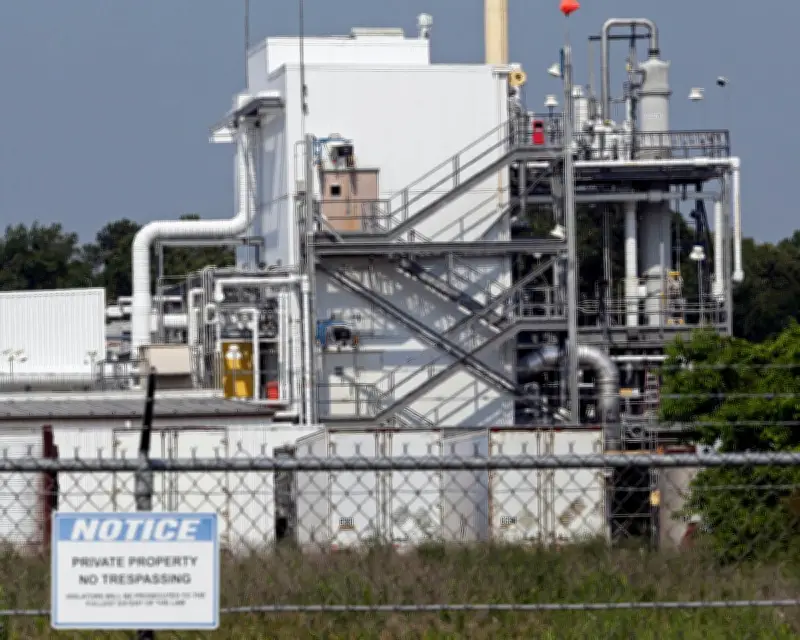
Chemours, the chemical spin-off from DuPont, has agreed to a $1.18 billion settlement to resolve claims that its per- and polyfluoroalkyl substances (PFAS), known as forever chemicals, contaminated drinking water systems across the United States. The settlement, announced on Thursday, covers claims from public water systems that have detected PFAS at any level, without requiring proof that Chemours specifically caused the contamination.
Scope of the Settlement
The agreement involves Chemours, along with DuPont and Corteva, which were previously part of the same company. The three companies have collectively agreed to pay $1.18 billion, with Chemours contributing $592 million. The settlement is part of a broader effort to address thousands of lawsuits filed by water utilities, states, and individuals over PFAS contamination.
PFAS are a group of thousands of synthetic chemicals used in nonstick cookware, waterproof clothing, firefighting foam, and other products. They are called forever chemicals because they do not break down in the environment and can accumulate in the human body, leading to health issues such as cancer, liver damage, and thyroid disease.

Impact on Water Systems
The settlement will benefit public water systems that have tested for PFAS and found any detectable levels. According to the Environmental Working Group (EWG), more than 200 million Americans could be drinking water contaminated with PFAS. The settlement funds will be used to pay for filtration systems and other measures to reduce PFAS levels in drinking water.
“This settlement provides critical funding to help water systems remove these toxic chemicals from drinking water,” said Erik Olson, a senior strategic director at the Natural Resources Defense Council (NRDC). “It holds Chemours accountable for the pollution it caused.”
Legal and Regulatory Context
The settlement comes as the Environmental Protection Agency (EPA) has proposed new regulations to limit PFAS in drinking water. In March 2023, the EPA proposed the first federal limits on six PFAS compounds, with a maximum contaminant level of 4 parts per trillion for PFOA and PFOS, two of the most studied PFAS. The settlement is expected to help water utilities comply with these upcoming regulations.
Chemours said in a statement that the settlement is a “significant step” in resolving PFAS-related litigation and that it will continue to defend itself in other cases. The company did not admit liability as part of the agreement.
Broader Implications
The settlement is one of the largest in the ongoing PFAS litigation, which has also involved companies like 3M. In June 2023, 3M agreed to pay $10.3 billion to settle similar claims. The Chemours settlement is part of a growing trend of companies paying billions to address PFAS contamination.
“This is a landmark agreement that will provide immediate relief to communities affected by PFAS pollution,” said Robert Bilott, the attorney who first brought PFAS contamination to light. “But it is only a fraction of the total cost needed to address this crisis.”
The settlement still needs court approval. If approved, it will provide funding to thousands of water systems over the next several years.