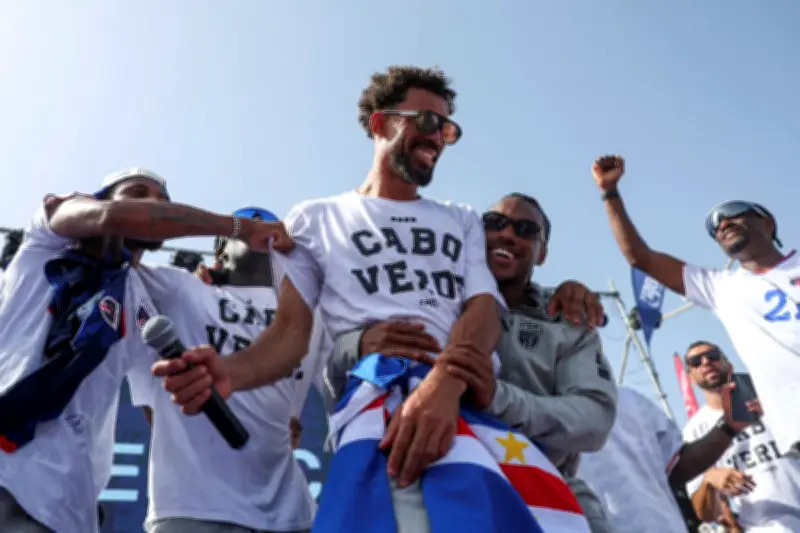
Cabo Verde's historic run at the World Cup, becoming the smallest nation to reach the knockout stages, sparked celebrations across Africa. But back home, the island nation faces a deep identity crisis over its African roots.
Historic World Cup Achievement
Coach Bubista expressed pride in representing both Cabo Verde and Africa before their round-of-32 match against Argentina, which they lost 2-1 after extra time. The team's performance inspired solidarity among Africans globally, but within Cabo Verde, questions of African identity remain divisive.
Colonial Legacy and Identity
António Tavares, a veteran choreographer and director of the cultural centre in Mindelo, noted that many Cabo Verdeans identify as Portuguese rather than African, citing their skin colour and the islands' uninhabited pre-colonial history. Tavares, who is dark-skinned in a predominantly light-skinned country, highlighted deep-rooted colourism stemming from over 500 years of Portuguese colonial rule.

Cabo Verde was a major hub for the transatlantic slave trade, where enslaved Africans were baptised at Cidade Velha, a UNESCO World Heritage site, before being sold. Nardi Sousa, a sociology professor at the University of Santiago, described the islands as a "laboratory for the Latinisation of Africans," where captured individuals lost their names and identities.
Reparations Debate
The African Union has pushed for reparations for slavery and colonialism, potentially involving diplomatic pressure or legal action. Cabo Verde's culture minister, Augusto Jorge de Albuquerque Veiga, expressed personal support for reparations, aligning with the AU's position. However, critics argue that a €12 million debt-for-climate swap with Portugal in 2023 is a soft form of reparations that avoids direct acknowledgment.
Challenges to Pan-African Unity
Reports of profiling of Black Africans, especially Nigerians and Senegalese, at Cabo Verde's airports persist. Tavares believes this contradicts the pan-African ideals of independence leader Amílcar Cabral. The education curriculum, which focuses on European history with little detail on colonial crimes, also hinders a full embrace of African identity.
"The best way to decolonise is to start educating people on our history," Tavares said. "There's a need for us to recover forgotten memories, stolen memories." President José Maria Neves noted in 2023 that the reparations debate is slowing due to the rise of the right wing in Europe.