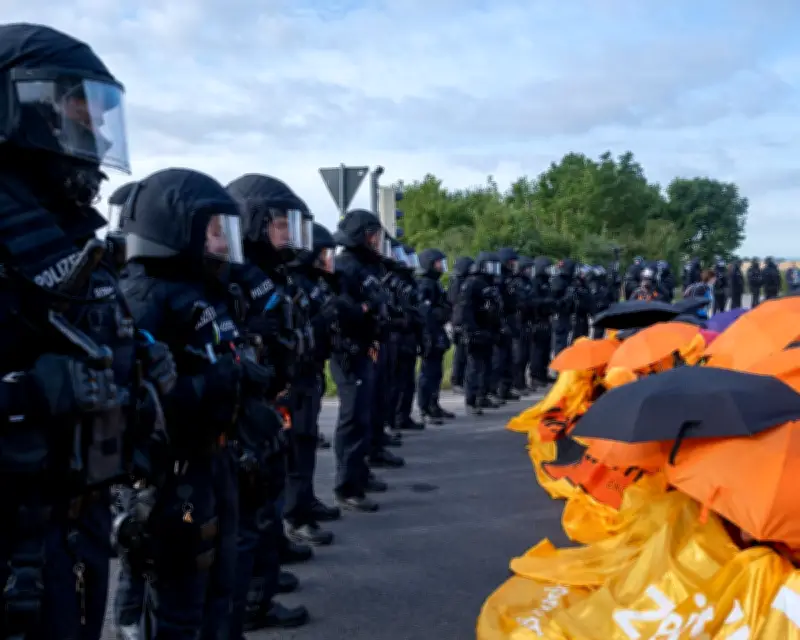
Germany's far-right Alternative for Germany (AfD) party has been systematically excluded from key parliamentary leadership roles, a move that has intensified political divisions and sparked debate about the limits of democratic tolerance. The blocking, carried out by mainstream parties, marks a significant escalation in efforts to isolate the AfD, which has gained ground in recent elections.
How the blockade unfolded
In a series of votes in the Bundestag, members of the Social Democrats (SPD), Greens, Free Democrats (FDP), and the Christian Democratic Union (CDU) voted together to deny AfD candidates positions such as committee chairs and vice-presidential roles. The AfD, which currently holds around 10% of seats, had sought these positions as part of standard parliamentary procedure. According to a senior SPD official, the move was necessary to prevent the AfD from using these roles to undermine democratic institutions.
Political fallout and criticism
The decision has drawn sharp criticism from the AfD, which called it an undemocratic attack on the opposition. AfD co-leader Tino Chrupalla stated, "This is not about protecting democracy; it is about silencing the voice of millions of Germans." Legal experts have noted that while the exclusion is not unconstitutional, it sets a precedent that could erode parliamentary norms. Some commentators have warned that such tactics could backfire, fueling public sympathy for the AfD.

Impact on German politics
The blockade has further polarized an already fractured political landscape. Polls suggest that the AfD's support has remained stable despite the controversy, hovering around 10-12%. Meanwhile, mainstream parties argue that they are defending democratic values against a party that has been classified as extremist by domestic intelligence agencies. The AfD has been under surveillance for suspected far-right extremism since 2021.
What comes next
The standoff is likely to continue as the AfD has vowed to challenge the exclusions legally and politically. The situation underscores the broader challenge facing European democracies: how to handle parties that operate within the political system but are seen as threats to its core principles. As the debate intensifies, Germany's political establishment remains deeply divided over the best strategy to counter the far-right.