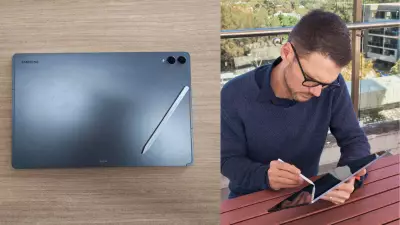
Shoppers are being urged to purchase smart devices such as phones and laptops immediately, as a global shortage of computer memory threatens to drive prices to unprecedented levels. The phenomenon, dubbed "RAMageddon" online, refers to the worldwide scarcity of random access memory (RAM) chips, a critical component in virtually every modern electronic device.
Understanding RAM and Its Importance
RAM, or random access memory, is a tiny chip that functions as a device's short-term memory. When a user opens an app, streams a video, or loads a website, data is temporarily stored in RAM to enable quick responses. Without sufficient RAM, devices slow down or become non-functional. "Every smart electronic device — from your mobile to your computer and even your car — has RAM in it," said Igor Pavic, director of Perth-based IT company Office Solutions IT. "Most devices simply cannot operate without it."
Causes of the Shortage
The shortage is largely driven by the explosive growth of artificial intelligence, according to industry experts. "The companies building AI systems need enormous amounts of specialist RAM, and they're willing to pay a premium for it," Mr Pavic explained. "So chip manufacturers have simply stopped prioritising everyday consumers and businesses, pivoting to selling to massive AI data centres instead."

Leigh Tyers, senior data scientist from the Curtin Institute of Data Science, added that AI is only part of the reason for rising prices. He noted that the transition from DDR4 to DDR5 memory — the industry equivalent of moving from 4G to 5G — is also contributing to the hike. "On top of that, around 90 per cent of DRAM production is now controlled by just three manufacturers — Samsung, Micron and SK Hynix." Micron's recent decision to exit the consumer memory market to focus solely on enterprise customers has further tightened supply, with final consumer shipments ending in February. "With a high barrier to entry for production, lower competition and sudden much higher demand, it's no wonder prices have increased so much," Mr Tyers said.
Impact on Consumers
The shift has immediate consequences at the checkout. Mr Pavic said he has already seen effects flowing through to Western Australian customers. "We've seen an increase of about 40 per cent in the overall price of PCs, laptops and servers since January 1," he reported. "RAM itself has gone up about 100 per cent in that period." The pressure is being felt across all price points, not just at the premium end. Entry-level and mid-range devices are rising alongside high-end machines. "It's across the board," Mr Pavic said. "Consumers are paying more for the same specifications as last year. Reducing RAM isn't really an option if you want a good experience, because modern apps and operating systems need more memory, not less."
Future Outlook
As the perfect storm of factors rolls in, Mr Tyers said manufacturers have limited options when key components spike in price. "If memory that previously cost $200 now costs $700, there's really no way around that," he said. While component pricing has somewhat stabilised since the start of the year, Mr Tyers warns that price increases could take more time to fully flow through to consumer electronics. SK Hynix, the South Korean company holding a 32 per cent share of the global DRAM market (making it the second-largest player), said in March that the shortage could last until 2030.
This is why Mr Pavic has urged consumers to "buy now" if they can. "The supply-demand mismatch will last well into at least 2028, we are told," he said. "If you're thinking about a new phone or laptop, don't wait. The expectation is that prices will double by the end of the year."