Tragic Death of Australian Snowboarder in Japan Highlights Hidden Dangers of Slope Safety
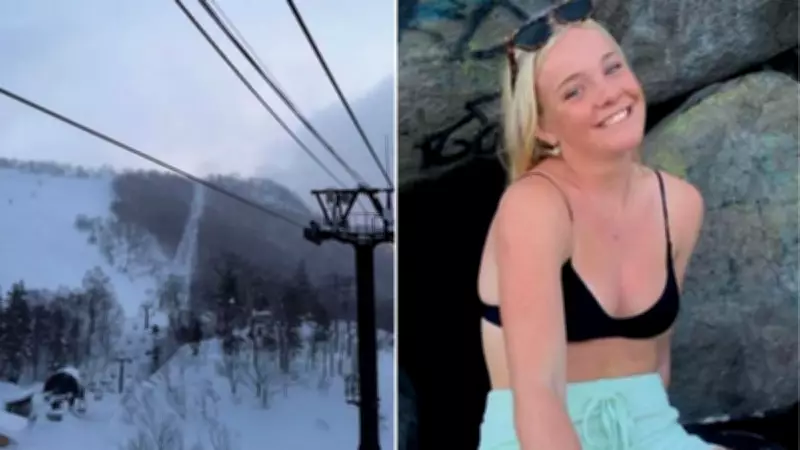
The death of Australian snowboarder Brooke Day at a popular Japanese ski resort has drawn renewed attention to the often-overlooked risks associated with work and recreation on mountain slopes. The 22-year-old Sunshine Coast woman was wearing an avalanche rescue backpack when a buckle on the chest strap became entangled in a ski lift carriage at Tsugaike Mountain Resort on January 30.
Day was pronounced dead in hospital two days later, with Japanese authorities reporting cardiac arrest as the immediate cause. Her parents, who flew to Japan following the incident, shared a heartfelt message through a fundraiser established to support the family.
"(On February 1) at 12.15 am, we shared our final goodbyes as your big heart played its final beat," they wrote in their emotional tribute.

A Passionate and Skilled Snowboarder
Friends and family described Brooke Day as an advanced snowboarder who had loved the sport since she was just 11 years old. She was well-respected among her peers and known as the "safe one" in her group, making her tragic accident particularly shocking to those who knew her.
In a poignant twist, Day had recently completed a three-day avalanche course and had used those skills to help rescue four people on the slopes in the weeks before her death. This demonstrated both her commitment to safety and her willingness to assist others in dangerous situations.
The Hidden Danger of Suspension Trauma
While cardiac arrest was reported as the immediate cause of death, safety experts emphasize that being suspended upright in a harness or backpack poses separate and significant risks. Known as suspension trauma or harness hang syndrome, this condition can develop rapidly and prove fatal in rare cases.
Rope-access safety expert Peter Wood, managing director of Queensland-based height safety company KONX, explained the physiological dangers of suspension. "When a person hangs motionless, blood pools in the legs because the muscles aren't pumping it back to the heart," Wood told reporters.
"Normally, if you feel dizzy or faint, your body drops you to the floor so blood can flow back to the brain. But if someone is hanging upright, that natural reaction can't happen. Unconsciousness is the body trying to force blood back to the heart and brain."
Rapid Onset and Rescue Challenges
Suspension trauma can cause symptoms including:
- Dizziness and light-headedness
- Nausea and sweating
- Rapid loss of consciousness
- Increased risk of cardiac arrest
Wood emphasized that the window for safe intervention is extremely narrow, with the condition potentially developing within minutes. "Once a person loses consciousness, the risk of cardiac arrest rises rapidly. People often underestimate how quickly suspension trauma can develop," he added.
The expert noted that becoming unconscious can occur even without a full harness system. "It doesn't necessarily need to be a full-body harness around the legs. A backpack or chest strap that keeps someone upright and motionless can be enough to trigger suspension trauma."
Complexities of Height Safety and Rescue
Rescuing someone suspended in a harness or backpack presents significant challenges, according to Wood. People in such situations are often in awkward, high and hard-to-reach positions, making safe extraction particularly difficult.
"Rescue can be extremely tricky, and trying to free someone without causing further injury or strain on the cardiovascular system requires trained personnel," Wood explained. He said Day's accident highlighted the complexities of height safety in recreational environments.
The tragedy underscores how even protective equipment can pose risks, with straps or buckles on any backpack capable of becoming entangled and creating unforeseen hazards. This reality emphasizes the need for comprehensive safety planning in all elevated environments.

Broader Implications for Slope Safety
Wood stressed that proper planning, equipment checks, and rescue training are essential in any environment where there's a risk of being suspended, whether in snow sports, rope-access work, or other elevated activities. He underlined the need for better training, awareness and preparedness for anyone working or recreating at height.
The incident in Japan follows a series of tragic snow-related incidents this season, including another young Australian reportedly killed in a suspected avalanche in Hokkaido on February 2. These consecutive tragedies have raised important questions about safety protocols and risk awareness in winter sports destinations.
As the snowboarding community mourns the loss of a talented and safety-conscious young athlete, experts hope her death will lead to greater awareness of suspension trauma risks and improved safety measures across recreational and professional height-related activities worldwide.