A-League Concussion Policy Under Scrutiny After Dobson's Injury
A serious head injury sustained by Newcastle Jets player Lucas Dobson during a recent A-League match has ignited urgent calls for a comprehensive review of the league's concussion protocols. The incident has raised significant concerns about player safety and the adequacy of current measures in Australian professional soccer.
Incident Details and Immediate Aftermath
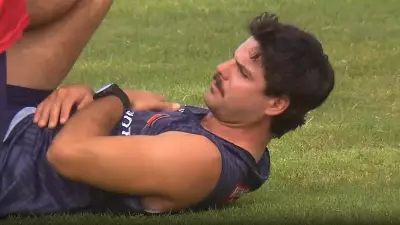
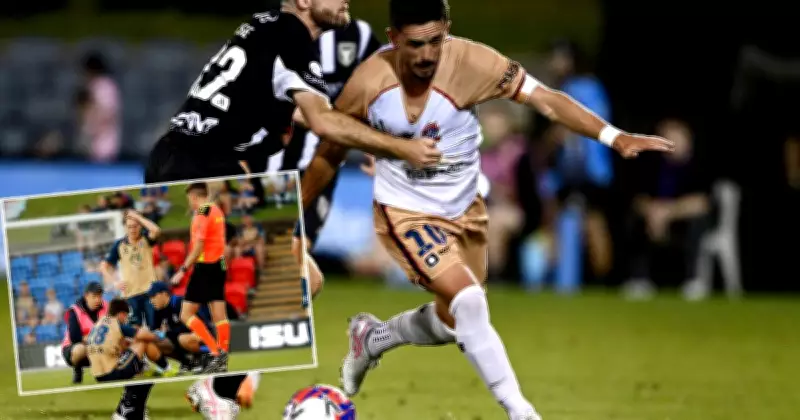
During a high-stakes match, Dobson collided with an opponent, resulting in a severe head impact that left him visibly dazed and requiring immediate medical attention. He was subsequently substituted from the game and taken to a local hospital for further evaluation. Initial reports indicate that Dobson is in stable condition, but the severity of the injury has prompted widespread alarm among fans, players, and medical experts alike.
The Newcastle Jets have issued a statement confirming the injury and expressing support for Dobson's recovery, while also acknowledging the need for ongoing assessment of safety protocols. This event has highlighted the inherent risks in contact sports and the critical importance of robust concussion management strategies.

Calls for Policy Review and Enhanced Safety Measures
In response to the incident, various stakeholders within the Australian soccer community are advocating for a thorough review of the A-League's concussion policy. Key points of concern include:
- The timing and effectiveness of on-field assessments conducted by medical staff during matches.
- The protocols for player return-to-play decisions, ensuring they prioritize long-term health over short-term competitive needs.
- The implementation of advanced technologies, such as head impact sensors, to better monitor and prevent injuries.
- Education and training for players, coaches, and officials on recognizing and responding to concussion symptoms.
Medical professionals emphasize that concussions can have serious long-term consequences, including cognitive impairments and increased risk of further injuries if not properly managed. They argue that the A-League must align with global best practices, such as those seen in other major sports leagues worldwide, to safeguard athlete welfare.
Broader Implications for Australian Soccer
This incident comes at a time when concussion management is a growing focus in sports globally, with many organizations updating their policies to reflect new research and technological advancements. The A-League's handling of Dobson's injury could set a precedent for how similar cases are addressed in the future, influencing not only professional soccer but also grassroots levels across Australia.
Fans and advocacy groups are urging the league to take proactive steps, such as establishing independent medical panels to oversee concussion cases and increasing transparency in injury reporting. The goal is to create a safer environment for all players, reducing the incidence of head injuries and improving outcomes when they do occur.
As Dobson focuses on his recovery, the broader soccer community awaits action from league officials. A formal review of the concussion policy could lead to significant reforms, potentially making the A-League a leader in player safety within the Asia-Pacific region. This situation underscores the ongoing balance between the excitement of competitive sports and the imperative to protect athletes from preventable harm.