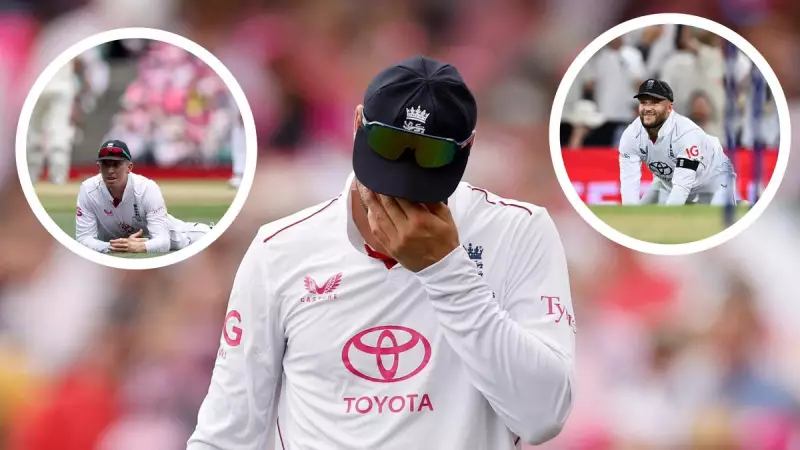
The 2023 Ashes series will be remembered for many things: Ben Stokes's heroics, thrilling finishes, and Australia retaining the urn. But for England, a glaring and costly statistic defined their campaign: 18 dropped catches across the five Tests. Each missed opportunity told a story of pressure, misfortune, or simple error, and collectively, they may have been the difference between drawing and winning the series.
The Catalogue of Missed Chances
From the very first Test at Edgbaston to the finale at The Oval, England's fielders found ways to spill chances that could have turned matches. The list, compiled from match footage and analysis, runs the full gamut of fielding errors. Some were incredibly difficult, requiring superhuman effort, while others were straightforward chances that would be expected to be taken at any level of professional cricket. The frequency of these drops placed immense, often unsustainable, pressure on England's bowlers to create even more opportunities.
The impact was not just statistical; it was psychological. Every drop lifted Australian spirits and drained English energy. Batsmen like Usman Khawaja and Steve Smith were granted reprieves that they ruthlessly capitalised on, building match-defining innings. The cumulative effect arguably cost England the narrow margins needed to reclaim the Ashes.

From Toughest to Easiest: Ranking the 18 Drops
Analysing each drop requires context: the match situation, the batter involved, the speed and trajectory of the ball. Here is a breakdown of how the 18 chances stack up, from the most forgivable to the outright howlers.
Among the hardest to take were Jonny Bairstow's diving attempt down the leg side off Stuart Broad and Ben Duckett's sprinting effort in the deep. These were chances where the fielder did exceptionally well to even get a hand on the ball, and the drop was more about extraordinary effort falling just short.
In the middle range were several slips catches that flew quickly or dipped late. Experienced campaigners like Joe Root and Ben Stokes were involved in some of these, where sharp reflexes were needed but the catch was very much on. The drop of David Warner by Zak Crawley at slip in the second Test was a pivotal moment in that match.
At the 'easier' end of the scale were moments that will haunt the players involved. These included straightforward chest-high catches in the slips or simple takes in the outfield that were shelled under little pressure. The most glaring was arguably the missed chance off Mitchell Starc at Headingley, a crucial moment that could have swung the game earlier.
The Costly Consequences for England's Hopes
While not every dropped catch led directly to a match-defining innings, the pattern was undeniable. England's 'Bazball' strategy relies on creating momentum and seizing key moments. Consistently failing to hold onto catches is the antithesis of that philosophy. It handed initiative back to Australia and forced England to chase games from behind.
The fielding lapses also overshadowed some brilliant individual performances and a resilient fightback to level the series 2-2. In a contest decided by fine margins—the first Test was lost by just two wickets—these 18 errors represent a mountain of missed opportunity. For captain Ben Stokes and coach Brendon McCullum, improving fielding consistency will be as crucial as any batting or bowling adjustment before the next encounter.
Ultimately, the 2023 Ashes served as a stark reminder: in Test cricket, catches win matches. England's inability to hold onto 18 of them provided Australia with the lifelines they needed to retain the coveted urn.