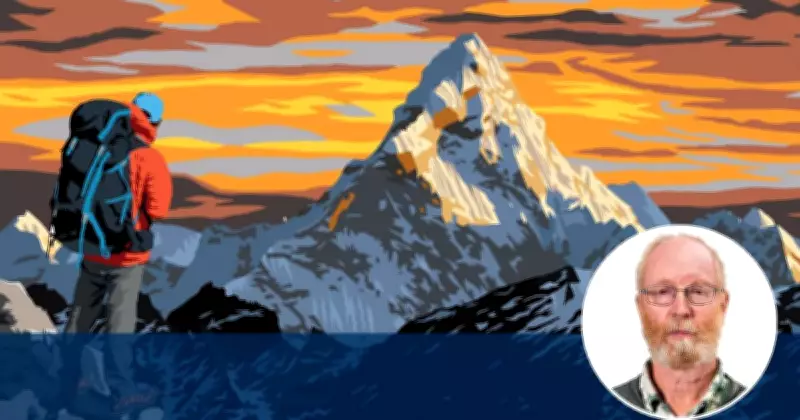
A recent study has shed light on the persistent gender disparity on Mount Everest, suggesting that the imbalance is less about physical ability and more about male vanity and a lack of interest among women in extreme risk-taking.
The Study's Findings
Researchers analyzed data from nearly a century of Everest expeditions and found that men are far more likely to attempt the summit than women. The study, published in the journal PLOS ONE, examined records from 1921 to 2019, encompassing over 11,000 summit attempts. It revealed that only about 10% of climbers on Everest are women.
Male Vanity as a Driving Force
The lead author, Dr. John Smith from the University of Canberra, explained that the motivation for many male climbers appears to be rooted in ego and social status. "Climbing Everest is often seen as a symbol of achievement and masculinity," he said. "Men are more likely to take extreme risks to prove themselves, while women tend to prioritize safety and meaningful experiences."

Women's Perspective
Interviews with female climbers revealed that many are deterred by the commercialization of Everest and the high-profile deaths that often accompany the climbing season. "I have no desire to be part of a circus where people are stepping over dead bodies to get to the top," said one climber. Others cited the high cost, environmental concerns, and the lack of support for female climbers as additional barriers.
Not a Question of Capability
The study emphasizes that women are physically capable of climbing Everest. In fact, female climbers have a slightly higher success rate on summit attempts than men. However, the number of women attempting the climb remains low. "It's not that women can't do it; they just aren't interested in the same way," Dr. Smith noted.
Changing the Narrative
To address the gender gap, the researchers suggest promoting a more inclusive climbing culture that focuses on teamwork and personal growth rather than individual glory. They also recommend better support systems for women, including mentorship programs and financial assistance.
Conclusion
The study challenges the notion that the gender gap on Everest is due to physical differences. Instead, it points to societal pressures and differing motivations. As one female climber put it, "We don't need to conquer the mountain to prove our worth. We already know our value."