Utes have long been a staple of Australian roads, but new research suggests they are more than just a practical vehicle—they are a status symbol. However, this status comes with a darker side: road rage. A study from the Australian National University has found that ute drivers are more likely to exhibit aggressive driving behaviours compared to other motorists.
The Psychology Behind Ute Ownership
Dr. Kate Reynolds, a social psychologist at ANU, explains that utes are often associated with ruggedness, independence, and a 'can-do' attitude. 'For many Australians, owning a ute is a statement of identity. It says something about who they are and what they value,' she says. But this identity can also manifest in territorial driving, such as tailgating and blocking lanes.
Utes as Status Symbols
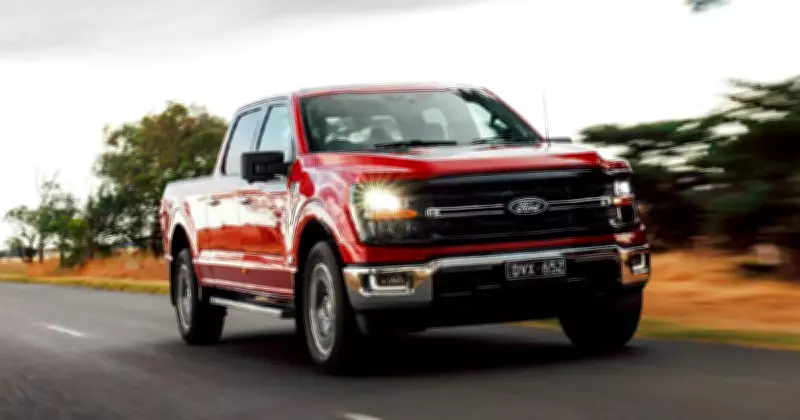
The rise of dual-cab utes, like the Ford Ranger and Toyota HiLux, has transformed the vehicle from a tradie's workhorse to a family car and lifestyle accessory. 'These vehicles are expensive and often decked out with accessories that signal wealth and status,' says Dr. Reynolds. This shift has made utes a common sight in suburban driveways, but it has also changed the dynamics on the road.

Road Rage and Aggressive Driving
The study surveyed over 1,000 drivers and found that ute owners reported higher levels of anger and frustration behind the wheel. 'They were more likely to engage in behaviours like speeding, tailgating, and honking,' Dr. Reynolds notes. This aggression is often directed at other drivers who are perceived as challenging their status or territory.
Gender and Age Factors
Interestingly, the research also found that younger male ute drivers were the most prone to road rage. 'There's a strong link between masculinity and aggressive driving,' Dr. Reynolds explains. 'Utes amplify that because they are seen as a masculine vehicle.' However, female ute drivers also showed elevated aggression levels compared to drivers of other vehicles.
Implications for Road Safety
These findings have significant implications for road safety. With utes becoming more popular, the potential for aggressive driving incidents could rise. 'We need to consider how vehicle choice and identity influence driving behaviour,' Dr. Reynolds says. 'Public awareness campaigns could target ute drivers specifically to reduce road rage.'
Changing the Narrative
Despite the negative findings, Dr. Reynolds is hopeful that the narrative can change. 'Utes are not inherently dangerous, but the culture around them can be. By understanding the psychology, we can encourage safer driving practices,' she says. The research team plans to expand their study to explore interventions that might reduce aggression among ute drivers.
As Australia's love affair with utes continues, it's clear that these vehicles are more than just a mode of transport—they are a reflection of national identity. But with that identity comes responsibility, both on the road and in how we perceive ourselves and others.