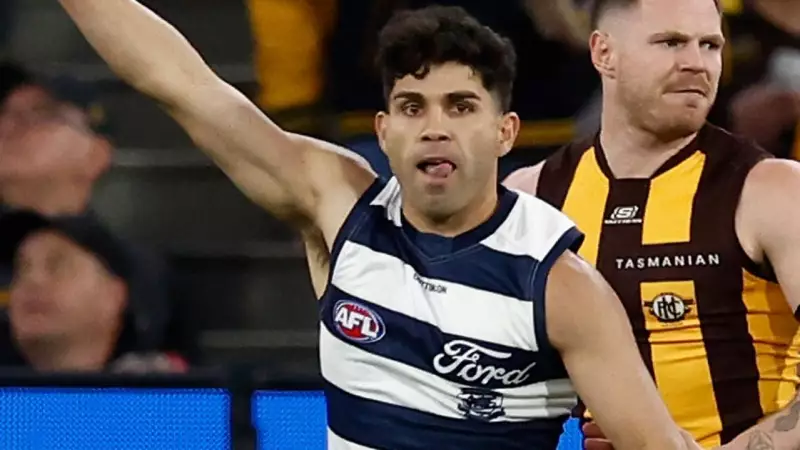
Geelong Cats forward Tyson Stengle has made his return to the AFL club following a brief period of personal leave, marking a positive development for the team as they continue their preparations for the upcoming season.
Stengle's Absence and Support from Geelong
The talented small forward took time away from the club for personal reasons, with the Geelong Cats organisation fully supporting his decision. During his absence, the club maintained a respectful distance, prioritising Stengle's wellbeing and privacy while ensuring he had access to any necessary resources.
Geelong's football department has emphasised their commitment to player welfare, stating that Stengle's health and personal circumstances were their primary concern throughout this period. The club's supportive approach reflects a broader trend in Australian rules football towards better mental health awareness and player care protocols.

Impact on Team Dynamics and Training
Stengle's return comes at a crucial time as the Cats ramp up their pre-season training schedule. His presence back at the club facilities has been welcomed by teammates and coaching staff alike, with many expressing their support for the forward's decision to take time away when needed.
The 25-year-old has been an important contributor to Geelong's forward line since joining the club, known for his goal-kicking accuracy and pressure acts. His return to training allows the coaching staff to reintegrate him into their strategic plans for the forthcoming AFL season.
Looking Ahead to the AFL Season
With Stengle now back at the club, attention turns to his preparation for what promises to be another competitive AFL campaign. The Cats will be looking to build on their recent performances, and having all players available and in good spirits represents an important step toward achieving their season objectives.
The club has indicated they will continue to provide Stengle with whatever support he needs as he transitions back into full training and team activities. This incident highlights the evolving approach to player management in professional sports, where personal wellbeing is increasingly recognised as fundamental to athletic performance.