Subiaco Football Club Faces Major Setback as Taj Schofield Sidelined with Hamstring Injury
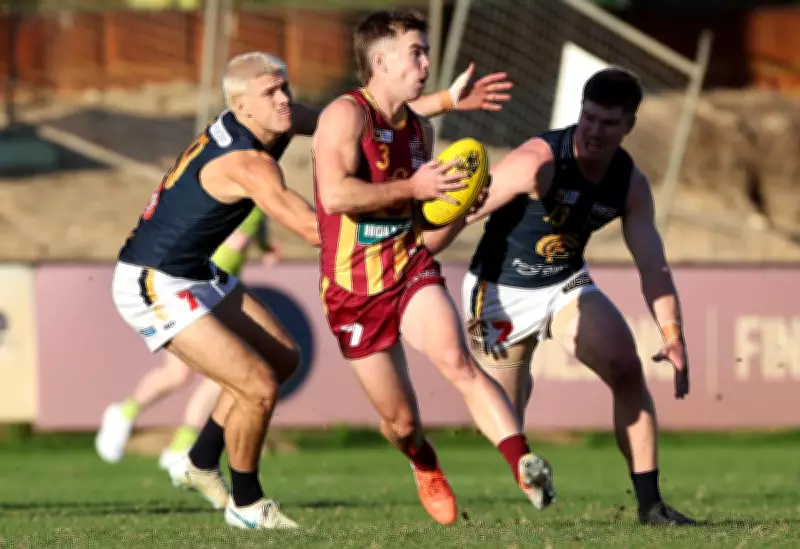
The Subiaco Football Club has been dealt a significant blow with the news that star player Taj Schofield is set for an extended period on the sidelines due to a hamstring injury. This development comes as a major setback for the team's preparations and ambitions for the upcoming 2026 WAFL season, potentially affecting their performance and strategic planning in the months ahead.
Details of the Injury and Expected Recovery Timeline
Schofield sustained the hamstring injury during a recent training session, with initial assessments indicating a severe strain that requires careful management and rehabilitation. Medical experts have projected a recovery timeline that could see him miss a substantial portion of the pre-season and potentially early matches, depending on his progress and response to treatment. The club has emphasized a cautious approach to his return, prioritizing long-term health over short-term gains to prevent any recurrence or further complications.
Impact on Subiaco's 2026 Season Prospects
As a key player for Subiaco, Schofield's absence is expected to have a notable impact on the team's dynamics and on-field performance. His skills and experience are crucial to the club's strategy, and his loss may force coaches to reconsider their lineup and tactics for the upcoming season. This injury adds to the challenges faced by Subiaco as they aim to build on past successes and compete at the highest level in the WAFL, with fans and analysts closely watching how the team adapts in his absence.

Broader Implications for WAFL and Player Welfare
This incident highlights the ongoing concerns around player injuries in Australian rules football, particularly with hamstring issues that are common in the sport. It underscores the importance of robust injury prevention programs and effective rehabilitation protocols within clubs. For the WAFL, Schofield's situation serves as a reminder of the physical demands placed on athletes and the need for continuous improvement in sports medicine and support systems to ensure player safety and longevity in their careers.