James Hird Addresses Essendon's AFL Struggles Amid Coaching Speculation
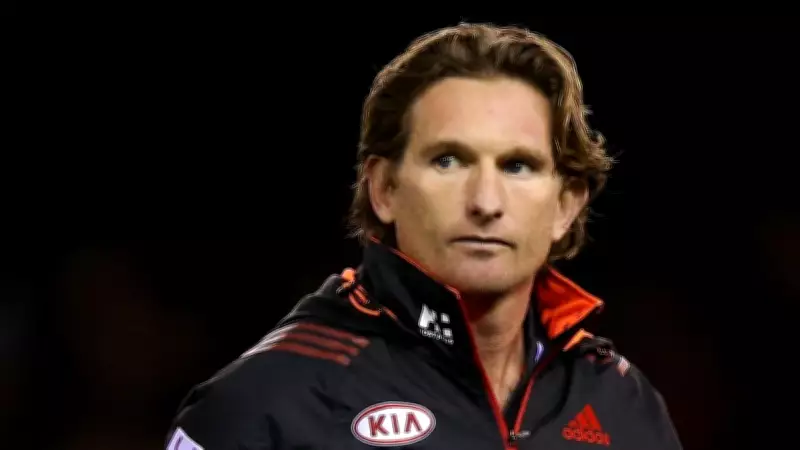
Essendon champion and former coach James Hird has publicly commented on his club's disastrous beginning to the 2026 AFL season, revealing that his phone was inundated with messages following a significant 63-point defeat to Port Adelaide on Sunday. Hird's name has resurfaced in discussions as pressure mounts on current coach Brad Scott, with the iconic figure directly addressing inquiries about his post-match communications during an appearance on 3AW radio.
The Essendon natives are pretty restless, put it that way, Hird remarked, acknowledging the growing unrest among supporters. Despite his involvement in the club's infamous doping scandal during his coaching tenure, Hird remains a revered figure at Essendon, celebrated as a premiership captain, two-time premiership player, Brownlow medallist, and Norm Smith medallist.
Empathy for Brad Scott and Frustration with Player Execution
At 53 years old, Hird expressed sympathy for Scott, understanding the current coach's exasperation with the team's performance. You send your team out there with a game plan ... and you expect them to do it, and they don't execute, Hird explained. He emphasized the difficulty of making in-game adjustments from the coaches' box, contrasting Essendon's unclear strategies with the effective ball movement of teams like Hawthorn and the Western Bulldogs.

Hird pinpointed the contested game as the most urgent area for improvement under Scott. I think if you're building any team, you've got to start with the contest ... there's more goals scored off transition now and there's more about ball movement and that's a very important part of the game, he stated. He warned that without solid contest fundamentals, the team becomes overly reliant on opponents for possession, hindering their offensive capabilities.
Realistic Expectations and Growth Goals for Essendon
Reflecting on fan expectations, Hird noted that most Essendon supporters did not anticipate a top-eight finish this season. Instead, the focus was on witnessing development in younger players, improved midfield-forward connections, and a more resilient defence that prevents uncontested marks. So it will take time, and we understand that, but how do we see growth from the contest and defence, ultimately? he questioned, highlighting the need for measurable progress in these critical areas.
Blame Distribution and Historical Context
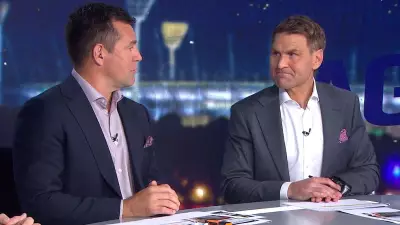
AFL analyst Kane Cornes introduced a wheel of blame on Channel 7's The Agenda Setters, assigning portions of responsibility for Essendon's woes. According to Cornes:
- Former list manager Adrian Dodoro: 21%
- Coach Brad Scott: 19%
- High-performance team: 17%
- Captain Zach Merrett: 11%
- James Hird: 4%
- Disgraced biochemist Stephen Dank: 2%
- Players Darcy Parish and Ben McKay: 2% each
- Fans: 3%
This analysis underscores the multifaceted challenges facing the club, which has not won a final since 2004, with little indication of change this year. Coaching legend Kevin Sheedy has advocated for Hird's return, while former player Dean Solomon serves on Scott's coaching panel, adding to the backdrop of speculation.
Defensive Concerns and Coaching Security
Club great Tim Watson voiced concerns about Scott's job security if defensive issues persist. There's no defensive mechanism that's been apparent about the way he's implemented his game plan, Watson commented on SEN radio. He pointed out that Scott has had four pre-seasons to establish a defence-first approach, yet it remains elusive. Watson referenced last year's injury-plagued season, where Essendon suffered 100-plus point losses on 11 occasions, warning that continued heavy defeats could threaten Scott's position.
They are at ground zero in their rebuild ... A dispirited organisation is what they look like right now, Watson concluded, painting a grim picture of the club's current state. The upcoming match against North Melbourne on Saturday now looms as a critical test for Scott and his players, with significant implications for the team's direction and coaching stability.