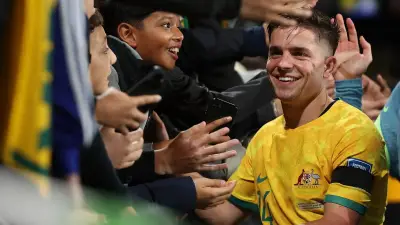
Surrounded by rolling fields and winding roads, hidden away at the back of the Jamberoo Pub, lies a moving tribute to Australian football. As the Socceroos and fans embark on a pilgrimage to North America for the 2026 World Cup, it is easy to forget the foundations laid for this sixth successive trip. While the current squad charts its own course, where their adventures will be recorded remains uncertain. Football Australia has yet to establish a national museum, more than a decade after pledging to create a space ensuring a strong connection between football's present and its past. A small country pub with a big Socceroos history helps fill the void.
The Jamberoo Pub, a 90-minute drive south of Sydney, is a step back in time. Its Tudor-era facade reveals nothing of the stories inside. For well-informed fans and those who stumble upon it, the town holds special significance. At the back of the pub is one of the most momentous places in Australian football: the Johnny Warren Museum.
The Museum's Beginnings
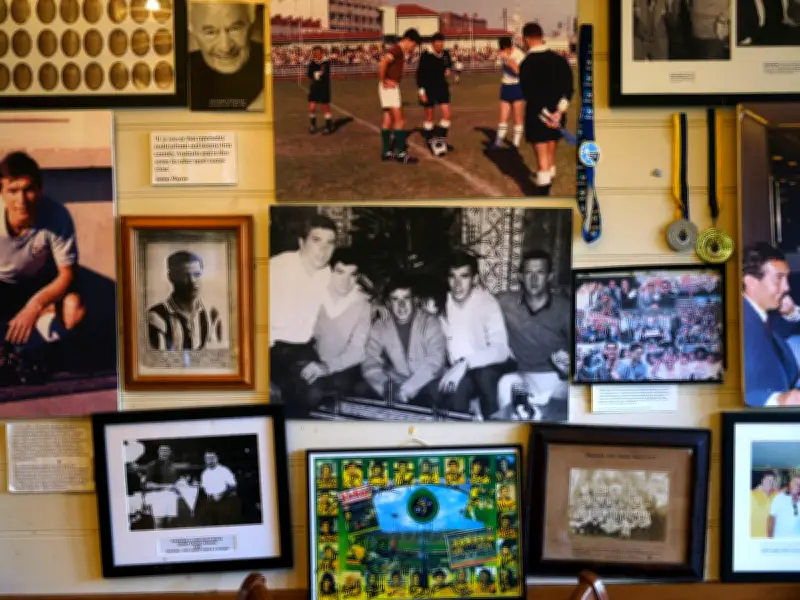
Johnny Warren was born and bred in Botany. The front room of the pub hints at what lies within: sporting souvenirs decorate walls and ceilings, fighting for space with football jerseys, scarves, and flags. Sunlight flickers through the window. A story unfolds down a long hallway decked in posters, portraits, photos, and newspaper clippings, mostly featuring Warren. At the end of the corridor is a football fever dream: an exhibition honouring Warren and the successes and struggles he encountered as a footballer, coach, commentator, and chief advocate for the game in Australia.

Jamie Warren: Curator and Publican
The Jamberoo Pub is co-owned and run by Jamie Warren, Johnny's nephew, who has taken up the mantle of promoting football through memorabilia and memories. As curator, tour guide, and publican, Jamie's pride in his family's critical role in the sport's history is evident as he recalls the stories behind each item. There is no centrepiece to the collection, which jumps between eras and continues to evolve with occasional additions as the Socceroos and Matildas find greater success. But a portrait of Johnny bearing his catchcry "I told you so"—uttered weeks before his death in 2004—jumps into view as visitors enter the main room.
Rare Memorabilia
A Socceroos poster signed by every player from the groundbreaking 1974 World Cup squad is a snapshot of time, complete with period haircuts. Such rare items are usually held in more secure surroundings. One of Jamie's favourite pieces links the 1974 squad with the players who ended the Socceroos' 32-year wait to return to the World Cup. "Rale Rasic gave us that one," Jamie says, referring to the coach of the first Australia team to qualify. He runs through the players like old family friends: Peter Wilson, John Watkiss, Harry Williams, Ray Richards, Manfred Schaefer, Jimmy Rooney, Jimmy Mackay, Attila Abonyi, and uncle John.
From Botany to Berlin
One of the oldest photos in the collection shows a five-year-old Johnny playing as a goalkeeper in his first match. Many items resurfaced for an exhibition ahead of the 2006 World Cup called From Botany to Berlin—a nod to Johnny's hometown and the Socceroos' tournament debut in West Germany. "It was a wonderful tribute to John and a really exciting period for football in Australia," Jamie says. "It was kind of devastating that he wasn't here to enjoy all of that."
Preserving History
Scrapbooks, brooches, trophies, medals, and awards from Johnny's time with the Socceroos and clubs like St George-Budapest are dotted around the museum room. His MBE has pride of place behind the main bar. Parts of the collection are occasionally displayed at other venues, but Jamie has yet to hear from Football Australia about a more permanent exhibition or steps to preserve the sport's history. "It's every man for himself, unfortunately," he says. "The A-League has the Johnny Warren medal though, which is nice recognition and keeps the connection to the past."
The Jamberoo Pub will host watch parties for each Socceroos match as a new chapter is written at the 2026 World Cup. The seismic shift Warren fought for across his 61 years may edge closer over the next few weeks. In the meantime, the building blocks remain waiting to be explored in the back room of a small country pub.