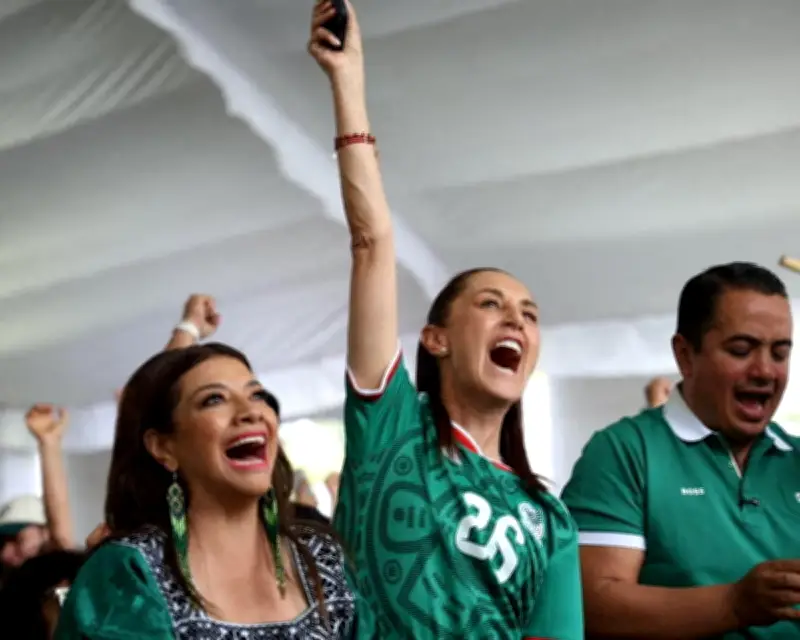
Mexican President Claudia Sheinbaum has revealed that she chose not to attend the opening match of the 2026 FIFA World Cup in Mexico City because tickets were prohibitively expensive. Her comments have reignited discussions about the affordability of major sporting events for ordinary citizens and public officials alike.
President Cites Ticket Costs as Reason for Absence
Speaking at a press conference on Friday, Sheinbaum said, "Tickets are very expensive. I decided not to go because I believe public resources should be used responsibly." The World Cup opener, held at the iconic Estadio Azteca, saw Mexico face off against a yet-to-be-determined opponent. The match was part of the first World Cup to be hosted across three nations: the United States, Canada, and Mexico.
Sheinbaum's absence was notable, as previous Mexican presidents have often attended such high-profile events. However, she emphasized that her decision was personal and not a reflection of the government's support for the tournament. "We are proud to host the World Cup, but we must also be mindful of the message we send about spending," she added.

Ticket Pricing Controversy
The cost of tickets for the opening match ranged from several hundred to thousands of dollars, with premium seats fetching even higher prices. Critics argue that such pricing excludes many fans, particularly in a country where the minimum wage is around $15 per day. The average ticket price for group stage matches was reported to be over $200, making it a significant expense for most Mexicans.
FIFA has defended its pricing strategy, stating that it aims to balance accessibility with the need to generate revenue for the tournament's substantial costs. However, Sheinbaum's remarks have added fuel to the debate, with some calling for more affordable ticket options for local residents.
Public Reaction and Political Implications
Sheinbaum's explanation has drawn mixed reactions. Supporters praise her for setting an example of fiscal restraint, while opponents suggest she missed an opportunity to show national pride and support for the sport. Political analysts note that the decision could resonate with voters concerned about inequality and government spending.
Mexico's participation in the World Cup has historically been a source of national unity, and the president's absence may be seen as a missed chance to rally the country. Nevertheless, Sheinbaum remains popular among left-leaning constituents who prioritize social programs over ceremonial appearances.
Looking Ahead
As the tournament progresses, the issue of ticket affordability is likely to persist. FIFA has announced that some tickets will be made available at lower prices for later matches, but critics argue that more needs to be done to ensure that the World Cup is accessible to all. Sheinbaum has not indicated whether she will attend any future matches, but her stance has already made headlines worldwide.
The 2026 World Cup is expected to be the most expensive ever, with total costs estimated at over $40 billion across the three host nations. The debate over ticket prices is just one aspect of the broader conversation about the commercialization of global sports events.