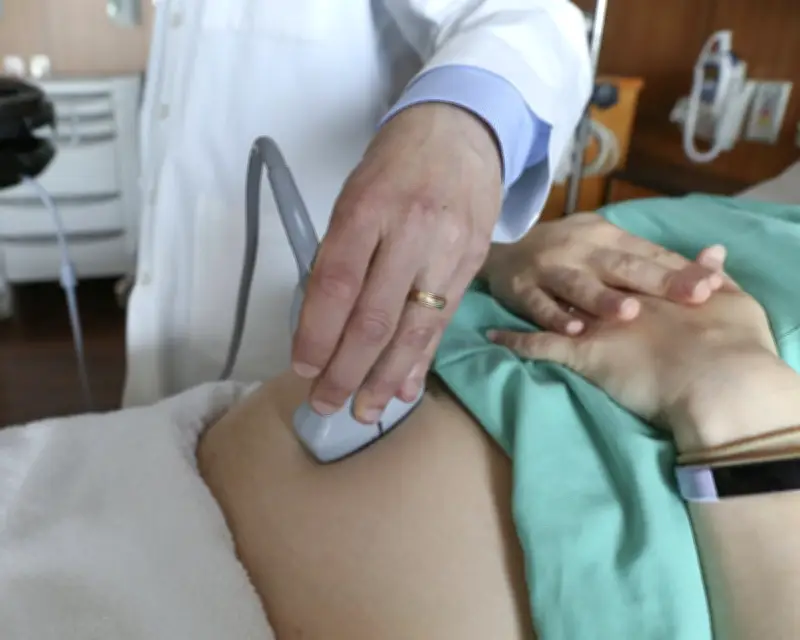
A groundbreaking maternal blood test is set to revolutionise prenatal care by detecting a wide range of genetic conditions in foetuses with unprecedented accuracy. The test, which analyses cell-free DNA from the mother's blood, can identify conditions such as Down syndrome, Edwards syndrome, and Patau syndrome, as well as rare genetic disorders.
How the Test Works
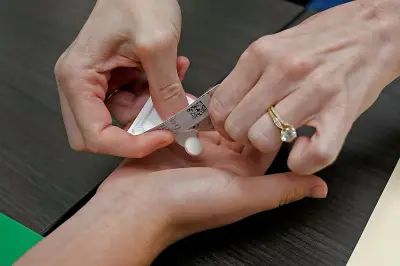
The non-invasive test requires only a simple blood draw from the mother, typically after 10 weeks of pregnancy. It works by sequencing fragments of foetal DNA circulating in the maternal bloodstream. Advanced algorithms then compare the DNA sequences to a reference genome, flagging any abnormalities.
Benefits Over Traditional Methods
Unlike invasive procedures such as amniocentesis or chorionic villus sampling, which carry a small risk of miscarriage, this blood test poses no risk to the foetus. It also offers earlier detection, allowing parents and doctors more time to prepare for potential medical needs or make informed decisions.

Clinical Study Results
A recent study published in the New England Journal of Medicine found that the test detected over 95% of genetic conditions with a false positive rate of less than 0.5%. The study involved more than 20,000 pregnant women across multiple countries, making it one of the largest of its kind.
Limitations and Considerations
While the test is highly accurate, it is not diagnostic. Abnormal results must be confirmed with invasive testing. Additionally, the test may not detect all genetic conditions, and coverage varies by provider. Cost and accessibility remain barriers, though prices are expected to decrease as the technology becomes more widespread.
Expert Opinions
Dr. Sarah Mitchell, a geneticist at the University of Sydney, called the test "a game-changer" for prenatal care. "It empowers parents with information while minimising risk," she said. However, she cautioned that the test could lead to difficult decisions and urged that counselling be made available.
Future Implications
Researchers are exploring whether the test could be expanded to detect conditions like cleft palate or heart defects. There are also ethical debates about its use for non-medical traits, such as eye colour or intelligence. As the technology evolves, guidelines will need to keep pace.
The test is already available in some private clinics in Australia, with public health systems considering coverage. For now, expectant parents are advised to discuss their options with a healthcare provider.