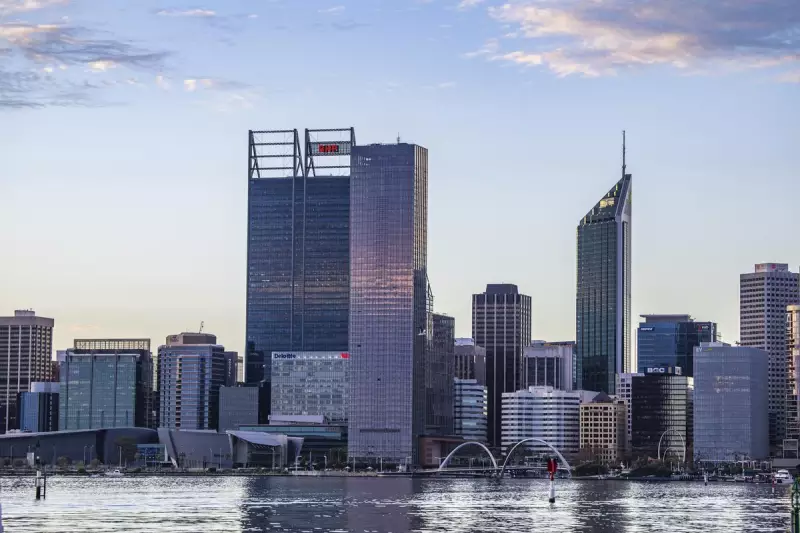
Western Australia is poised to be the nation's engine room of population expansion for the next four decades, according to official government projections released this week. The 2025 Population Statement confirms the state's dominant growth trajectory, even as the national pace begins to slow.
WA's Growth Engine: Migration Fuels the Boom
The latest data reveals WA's population surged by 64,000 people, or 2.2 per cent, in the 2024-25 financial year – the highest growth rate in the country. This increase was overwhelmingly powered by new arrivals from overseas, which accounted for 40,200 people, while more than 10,000 residents relocated to WA from other Australian states.
This momentum is expected to continue, with the state forecast to add another 54,000 residents in the current financial year. The majority of this expansion will be concentrated in the greater Perth region, solidifying its status as the nation's fastest-growing capital city corridor.

National Picture: A Slowing Trend with Major City Shifts
While WA charges ahead, the broader national population growth is showing signs of deceleration. Australia added 416,000 people in 2024-25, but this figure is projected to decline to 362,000 for this financial year.
Net international migration remains the primary driver of national growth, contributing 311,100 people in 2024-25, compared to a natural increase (births minus deaths) of 105,400. However, Treasurer Jim Chalmers noted that migration is falling from its post-pandemic peak. "This confirms that net overseas migration has come in lower than previously forecast for 2024-25 and is close to half the post-COVID peak," Dr Chalmers stated.
The long-term projections paint a picture of significantly larger eastern capitals. Both Melbourne and Sydney are on track to surpass eight million residents by 2065. Perth, while smaller, is expected to reach nearly 4.2 million by the same date.
Demographic Challenges and Diverging State Fortunes
Beneath the headline growth figures lie significant demographic challenges. Australia's fertility rate has hit a record low of 1.45 children per woman, with WA's rate even lower at 1.43. This rate is tipped to remain stagnant in the coming year before a gradual climb over the next decade.
The fortunes of Australian states are set to diverge dramatically. At the opposite end of the spectrum from WA, Tasmania is forecast to grow by a mere 0.1 per cent and is projected to see deaths outnumber births by 2028-29 – which would be a first for any state or territory. South Australia is expected to follow a similar path by the 2060s.
Amid ongoing national debates about migration levels, NSW Premier Chris Minns offered a perspective on new arrivals. "The vast majority of people who come to this country, particularly new immigrants, are some of the most patriotic people that you can meet," he said, emphasising the need to foster a shared national mission.
The data underscores a future where Western Australia, and Perth in particular, will play an increasingly central role in shaping Australia's demographic and economic landscape for generations to come.