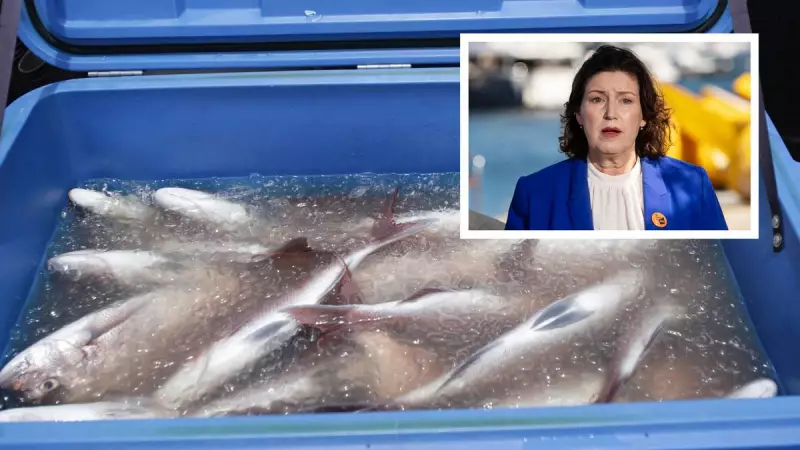
West Australian recreational fishers have been hit with an immediate crackdown, with new rules and significant fines taking effect without any warning or grace period. The state government has banned fishing across a vast network of coastal waters, sparking frustration and confusion among the fishing community.
Immediate Enforcement Sparks Outcry
The new regulations, which came into force on Monday, February 12, 2024, prohibit fishing in 20 per cent of the state's coastal waters, from the Pilbara down to the South Coast. The rules apply to a mix of existing and newly created sanctuary zones within marine parks. What has caused the most significant backlash is the complete absence of a familiarisation period; compliance officers are authorised to issue on-the-spot fines from day one.
Fines for illegal fishing in these closed areas now start at $500 and can skyrocket to a maximum of $25,000 if the matter is taken to court. Fisheries Minister Don Punch defended the immediate enforcement, stating the government had undertaken an extensive consultation and awareness campaign over the preceding 18 months. He argued that providing a grace period would undermine the protection goals for vulnerable marine ecosystems.

Mixed Reactions from Stakeholders
The reaction from fishing bodies has been sharply divided. The commercial fishing sector, represented by WAFIC, has expressed support for the government's decisive action. They believe the clear, immediate rules will benefit long-term fish stocks and provide certainty for their industry.
However, the recreational fishing lobby, Recfishwest, is furious. CEO Dr Andrew Rowland slammed the move, calling the lack of a warning period "grossly unfair" and a breach of standard practice. He argued that while his organisation supports marine parks in principle, the implementation has been bungled. Recfishwest points to inadequate on-water signage and inconsistencies in the rules governing different zones as major points of confusion for everyday fishers.
"The government is setting people up to fail," Dr Rowland stated, emphasising that even well-intentioned fishers could easily breach complex boundaries without clear, physical markers.
Navigating the New Fishing Map
The core of the issue lies in the newly defined sanctuary zones. The government has launched an online tool, the Marine Parks WA Facebook page, and an updated Recfishwest app to help fishers identify closed areas. Minister Punch insists these digital resources are sufficient, noting that the rules were publicly released in December to give people time to prepare.
Despite these digital aids, many fishers, particularly older demographics or those in remote areas with poor internet coverage, feel left behind. The concern is that reliance on a smartphone app is not a reasonable substitute for traditional buoys or signs in the water, especially when steep penalties are involved.
The controversy highlights the ongoing tension between rapid environmental conservation efforts and fair public policy implementation. The WA government is standing firm on its timeline to protect marine biodiversity, but the fishing community is left grappling with an immediate change that carries serious financial consequences for any mistake. The success of the policy may now hinge on how effectively awareness can be spread and whether the perceived harshness of the rollout fosters resentment or compliance.