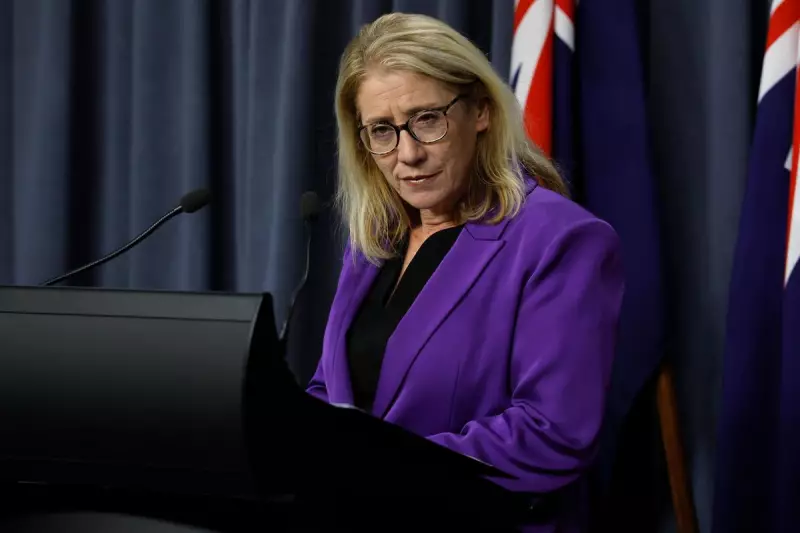
Treasurer Rita Saffioti has unveiled a mid-year Budget review bolstered by a massive $7.5 billion revenue windfall, yet Western Australian households will see no new direct cost-of-living relief measures. The update, released on Thursday, 18 December 2025, confirms the state is on track for its eighth consecutive surplus, this time to the tune of $2.5 billion.
Commodity Boom Drives Billions in Revenue
The financial fortification is overwhelmingly driven by higher-than-predicted prices for iron ore and gold. This substantial revenue increase of $7.5 billion over the forward estimates to 2027/28 comes against the backdrop of an extra $100 billion in the state's operating surplus. This massive accumulation has prompted questions over whether WA is deliberately moderating its reported financial strength amid renewed efforts from Eastern States to renegotiate the GST distribution.
Ms Saffioti, addressing media at Dumas House, emphasised that conservative budgeting was key to maintaining the state's financial rating. "They want to see you budget conservatively," she stated. "This is about having a strong, sustainable Budget setting that gives confidence to everyone about the robustness of our economy."

In a clear sign of this caution, Treasury is sticking to an iron ore price forecast of US$72 per tonne for 2026/27, despite the current financial year average sitting at US$96.90. "Our iron ore forecasts continue to be conservative again to protect ourselves from any economic shock," the Treasurer explained.
Defending the Decision Against New Relief
The decision not to deploy more of the windfall for immediate household relief comes after the government wound back several support measures, including power bill credits, student allowances, and increased capped airfares for regional residents. Ms Saffioti defended the position, pointing to existing measures and shifting spending patterns.
"We've delivered more cost of living relief than, I think, any other jurisdiction," she argued, citing upcoming half-price public transport fares from 1 January and the recent student assistance payment. "We'll continue to work with WA families. It's always a juggling act getting that balance right." She noted that discretionary spending on dining out, alcohol, and recreation has increased, suggesting economic resilience.
The Treasurer was firm that the surplus is not idle. "The surplus is not just sitting there. The surplus is actually used to fund infrastructure," she said, listing new hospitals and energy investments as key priorities over the next four years.
Spending Growth and Debt Outlook
The review shows government expenditure growth has jumped from a predicted 4.3 per cent to 6.2 per cent. Ms Saffioti denied this was a sign of election-year spending spiralling out of control, attributing two-thirds of the state's 3 per cent economic growth—the highest in the nation—to the private sector.
Despite the revenue boom, the government will not accelerate debt repayment. Net debt is still projected to reach $35.7 billion in 2025/26, albeit less than previously forecast. Ms Saffioti identified a potential iron ore price crash as the budget's biggest risk but reiterated the focus on funding a "massive asset investment program."
Other key commitments confirmed in the review include a $434.5 million boost for housing and an extra $1.9 billion for health, which the Opposition claims Labor was "dragged kicking and screaming" into announcing back in November.
The budget outcome ensures WA continues to wield significant economic clout, even as it braces for ongoing pressure from other states seeking a larger share of GST revenue.