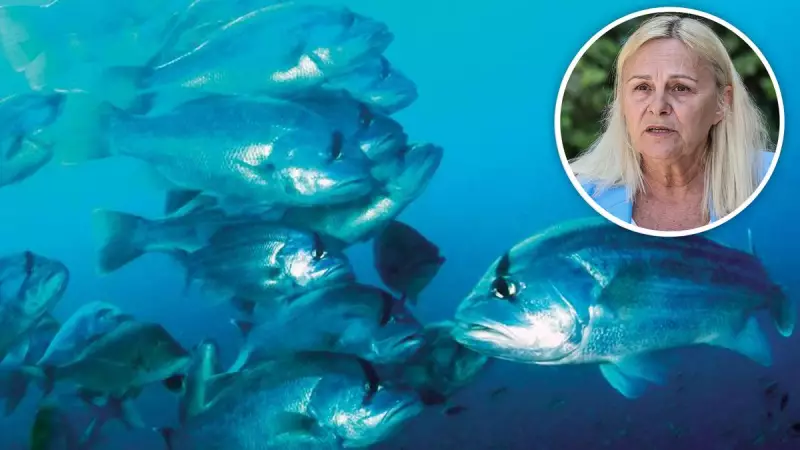
The Cook Government in Western Australia is facing mounting pressure over its contentious demersal fishing ban, with a petition demanding a parliamentary inquiry amassing thousands of signatures. Simultaneously, the state is gearing up for a legal battle to defend the policy in the Supreme Court.
Petition Gains Momentum Amidst Public Outcry
More than 10,000 people have signed a petition calling for a formal parliamentary inquiry into the science and decision-making behind the extended fishing restrictions. The petition, tabled by Liberal MLC Steve Martin, argues that the ban has caused significant social and economic damage to coastal communities while questioning the robustness of the fisheries data used to justify it.
The petition specifically calls for the inquiry to be conducted by the Legislative Council's Environment and Public Affairs Committee. This move highlights the deep-seated frustration among recreational fishers, tourism operators, and related businesses who feel their livelihoods and lifestyles have been unfairly targeted by the policy.

Government Prepares for Supreme Court Showdown
As the political pressure builds, a separate legal challenge is set to unfold. The WA government is preparing to defend its demersal fishing ban in the Supreme Court later this year. The case has been brought by a coalition of fishing advocates, including Recfishwest and the Australian Fishing Trade Association, who are contesting the validity of the management measures.
The court action challenges the Director General of the Department of Primary Industries and Regional Development's authority to implement the ban. The plaintiffs argue the decision was invalid and seek to have it overturned. A directions hearing is scheduled for August 9, 2024, setting the stage for a significant legal test of the state's fisheries management powers.
The Heart of the Controversy
The demersal fishing ban, which affects prized species like dhufish and pink snapper, was first implemented in the West Coast Bioregion. It was dramatically extended in late 2023, now prohibiting the catch of demersal scalefish from Kalbarri to Augusta for nearly eight months of the year, from October to April.
The government, supported by the Department of Primary Industries and Regional Development, maintains that the severe restrictions are a necessary and science-based response to protect vulnerable fish stocks from overfishing. They cite data showing stock levels are critically low.
However, opponents of the ban present a different view. They contend that:
- The policy unfairly burdens recreational fishers while having a lesser impact on the commercial sector.
- The scientific modelling used is flawed and does not accurately reflect stock recovery.
- The social and economic consequences for regional towns dependent on fishing tourism have been devastating.
Fisheries Minister Don Punch has consistently defended the government's position, stating the measures are essential for the long-term sustainability of the fishery. He has acknowledged the pain caused but insists there is no alternative to ensure future generations can enjoy fishing in WA waters.
The coming months will be critical, with both the parliamentary process and the Supreme Court case poised to determine the future of this divisive environmental and social policy. The outcome will resonate through WA's coastal communities and set a precedent for how fisheries are managed under pressure.