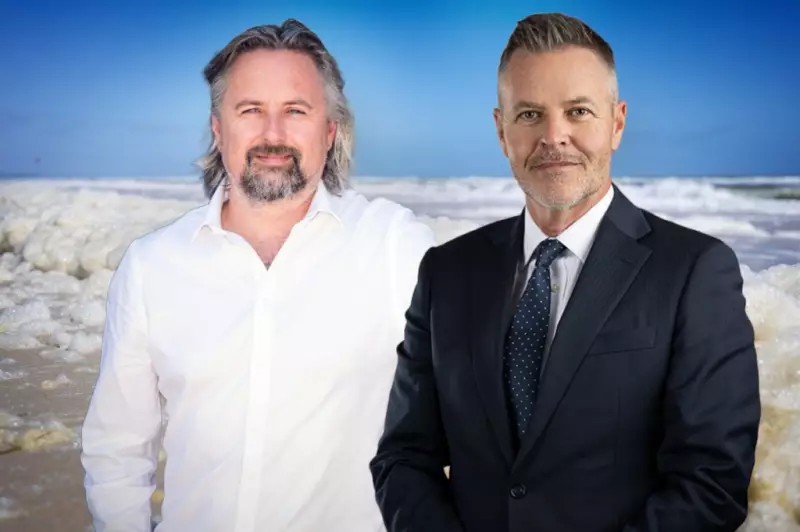
South Australia's highest-ranking public servants have issued a firm and unequivocal denial against explosive allegations of political meddling in an environmental crisis. They have categorically ruled out claims that government staff were instructed to hold off investigating the cause of a significant algal bloom until after the state election.
Senior Figures Reject "Bombshell" Claims
The denials come directly from the state's most senior bureaucratic figures. Rick Persse, the Chief Executive of the Department of Premier and Cabinet, and Mike Steer, the Executive Director of the South Australian Research and Development Institute (SARDI), have both addressed the allegations head-on. The claims, described as "staggering" by observers, suggested a deliberate postponement of a scientific investigation for political convenience during an election period.
Timeline and Key Details
The controversy centres on the timing of the alleged directive. The claims indicated that staff were told not to probe the origins of the algal bloom until after voters had gone to the polls. Both Persse and Steer, whose comments were reported on January 9, 2026, have publicly dismissed this narrative. Their statements aim to affirm the independence of the public service and the integrity of the environmental response process, despite the heightened political atmosphere of an election campaign.

Implications for Public Trust
This swift and direct rebuttal from top officials underscores the serious nature of the allegations. Interference in environmental science, particularly concerning a visible ecological event like an algal bloom, strikes at public confidence in both governance and environmental management. By ruling out any instruction to delay, the officials seek to draw a line under the speculation and reinforce that the investigation into the algal bloom's cause proceeded without political obstruction. The incident highlights the ongoing scrutiny faced by public administrations during sensitive political periods.