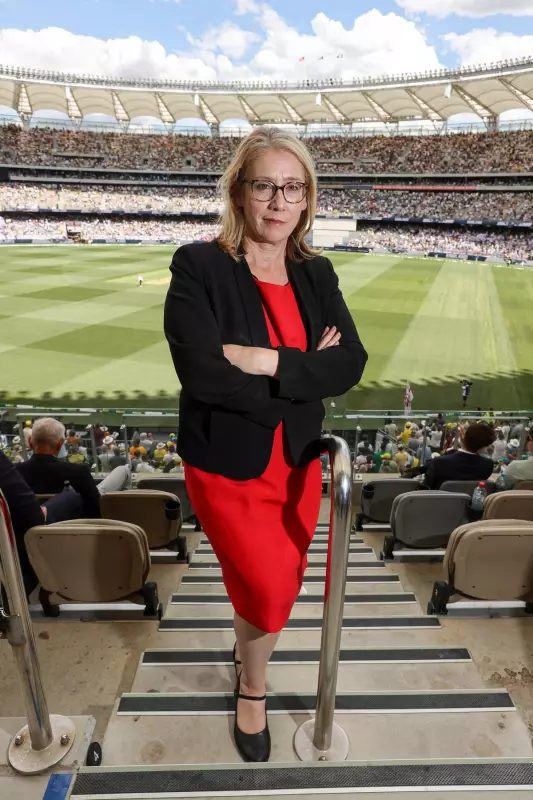
The Western Australian government's ambitious attempt to bring a prestigious Italian Serie A football match to Perth has been officially knocked back. Despite the setback, Deputy Premier and Tourism Minister Rita Saffioti is adamant the state's reputation as a world-class sporting host remains untarnished.
The Bid and the Rejection
Plans were in motion to host a 2025 Serie A season opener at the 65,000-seat Optus Stadium, featuring one of Italy's football giants. The proposal was a bold move to replicate the success of previous international sporting events held in Perth. However, the bid has now been formally rejected by the relevant football authorities.
Deputy Premier Rita Saffioti confirmed the news, stating that while the bid was not successful, it demonstrated Western Australia's capability and ambition to secure top-tier global events. She emphasised that the state's track record speaks for itself, having recently hosted a successful Ashes Test match, English Premier League club Manchester United, and the FIFA Women's World Cup.

Saffioti's Defence of WA's Sporting Credentials
In response to the rejection, Ms Saffioti moved quickly to counter any suggestion that the failed bid harmed WA's standing. "Our reputation as a premier sporting destination is absolutely intact," she asserted. The Minister highlighted the significant economic and tourism benefits generated by major events, pointing to the proven model that attracts visitors and stimulates local business.
"We will continue to pursue events that align with our strategic goals and deliver clear value for the state," Ms Saffioti added, signalling that the government remains in the market for other high-profile opportunities.
What's Next for Football in Perth?
While the Serie A dream is over for now, football fans in the west still have a major international fixture to look forward to. The focus now shifts to an already-confirmed event: a match between the A-League All Stars men's team and global powerhouse FC Barcelona in May 2024.
This fixture is seen as a significant consolation and a testament to Perth's ongoing appeal. The state government is a key partner in this event, which is expected to draw a massive crowd and considerable interstate and international attention.
The government's strategy appears to be one of diversification, targeting a range of sports to maintain a consistent calendar of major events. The rejection of one bid is framed not as a failure, but as a single outcome in a broader, ongoing campaign to position Perth and Western Australia on the global sporting stage.