One Nation Intensifies Push to Abolish South Australia's Voice to Parliament
One Nation is spearheading a vigorous campaign to dismantle South Australia's Voice to Parliament, a body designed to represent Indigenous interests in the state's legislative processes. This political move comes as the state election sees candidates falter, with the party arguing that the Voice is an unnecessary and costly institution. The debate has ignited fresh controversy over Indigenous representation and government spending, drawing national attention to South Australia's political landscape.
Newly Re-Elected Member Discloses Modest Compensation for Role
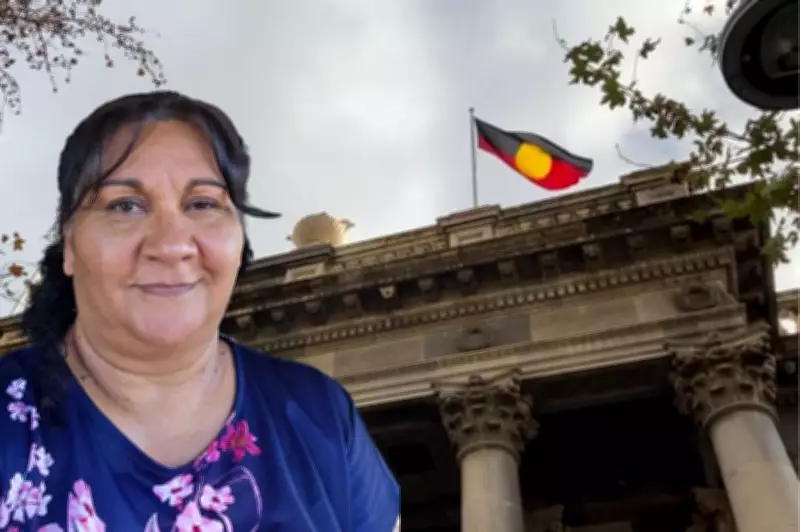
In a revealing interview with InDaily, Joy Makepeace, a Kamilaroi Murrawarri woman and a survivor of the Stolen Generation, shared insights into her recent re-election to the Voice to Parliament. Makepeace, who was voted in this week, emphasized the critical importance of the Voice in advocating for Indigenous communities, stating it provides a vital platform for addressing long-standing issues such as health disparities, education gaps, and cultural preservation.
However, she also disclosed a surprising detail about the financial aspect of her position, noting that members receive a stipend of only $97 per fortnight. This modest compensation, she explained, highlights the Voice's focus on service rather than financial gain, but it has also sparked discussions about the adequacy of support for Indigenous representatives in public office.

True Cost and Significance of the Voice Under Scrutiny
The revelation of the $97 fortnightly payment has fueled One Nation's arguments to scrap the Voice, with critics labeling it as an inefficient use of taxpayer funds. Proponents, however, counter that the true cost of the Voice extends beyond monetary figures, encompassing its role in fostering reconciliation, enhancing policy outcomes, and empowering Indigenous voices in governance.
Makepeace's personal story as a member of the Stolen Generation adds a poignant layer to the debate, underscoring the historical context and ongoing struggles faced by Indigenous Australians. Her re-election symbolizes a continued commitment to addressing these challenges through democratic participation, even as political opposition mounts.
Implications for State Election and Future of Indigenous Representation
As the state election unfolds, the fate of the Voice to Parliament remains uncertain, with One Nation's calls for its abolition gaining traction among some voters. The outcome could set a precedent for similar bodies across Australia, influencing national conversations on Indigenous rights and political representation.
Experts suggest that the debate reflects broader tensions between cost-cutting measures and the pursuit of inclusive governance, with South Australia at the forefront of this contentious issue. The coming weeks will likely see intensified lobbying and public discourse as stakeholders weigh the Voice's benefits against its perceived drawbacks.