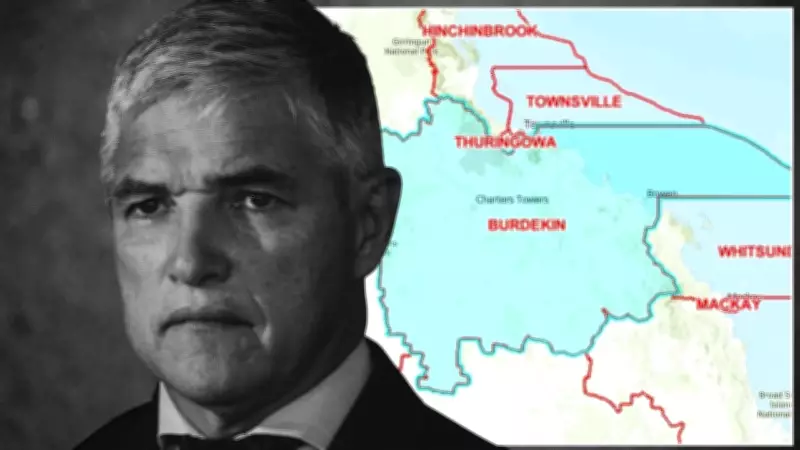
Robbie Katter Set to Lose Charters Towers in Proposed Electoral Boundary Redraw
Robbie Katter, the state Member of Parliament for Traeger in Queensland, is facing a significant political shift as he is poised to lose the town of Charters Towers from his electorate under a proposed electoral boundary redraw. This change, if implemented, could dramatically reshape his constituency and influence his future electoral prospects in the region.
Details of the Proposed Boundary Changes
The proposed redraw of electoral boundaries in Queensland aims to adjust the Traeger electorate, which currently includes Charters Towers. Under the new plan, Charters Towers would be removed from Katter's representation and potentially reassigned to another electoral district. This move is part of broader efforts to ensure fair and balanced representation across the state, reflecting population changes and demographic shifts over recent years.
The impact on Katter's political base could be substantial, as Charters Towers has historically been a key area of support for him and his party, Katter's Australian Party. Losing this town might weaken his hold on the electorate, forcing him to adapt his campaign strategies and focus more on other parts of Traeger to maintain his seat in future elections.

Reactions and Implications for Queensland Politics
Local residents and political analysts have expressed mixed reactions to the proposed changes. Some argue that the redraw is necessary to address population growth and ensure equitable representation, while others fear it could disrupt community ties and political stability in the region. For Katter, this development presents both challenges and opportunities, as he may need to engage with new voters and address different issues in a reconfigured electorate.
The broader implications for Queensland politics are also noteworthy, as boundary redraws can influence party dynamics and election outcomes. If Katter loses Charters Towers, it might affect the balance of power in the state parliament, particularly if other electorates undergo similar adjustments. This could lead to increased competition among political parties vying for support in altered constituencies.
Next Steps and Public Consultation
The proposed boundary changes are subject to public consultation and review before final implementation. Stakeholders, including Katter and his constituents, will have the opportunity to provide feedback and voice their concerns. The final decision will be made by the electoral commission, taking into account factors such as community interests, geographic considerations, and legal requirements.
In summary, Robbie Katter's potential loss of Charters Towers in the electoral boundary redraw highlights the evolving nature of political representation in Queensland. As the process moves forward, it will be crucial to monitor how these changes impact local communities and the broader political landscape in the state.