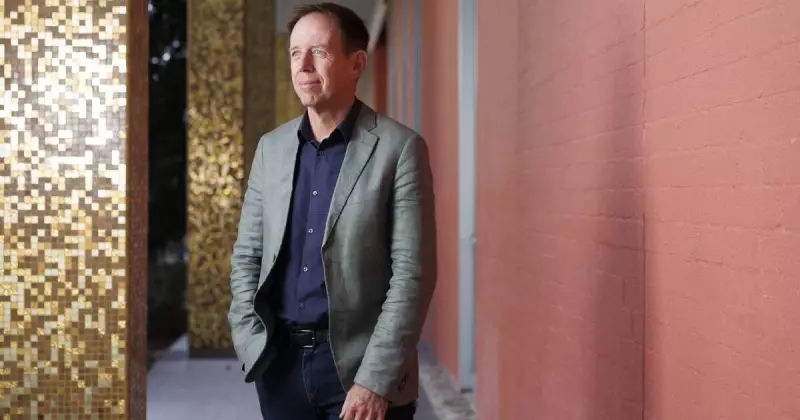
The leader of the ACT Greens, Shane Rattenbury, has issued a stark warning that the territory government must adopt more creativity and have frank discussions about spending to climb out of a deepening budget black hole. He expressed surprise at what he labelled a "business-as-usual" approach from Labor in the face of escalating fiscal pressure.
A Call for Innovation Amid Fiscal Pressure
In an interview, Mr Rattenbury said he observed the ACT government merely "coasting along" last year despite clear warnings. He attributed part of the problem to a public service that has become "very habituated" to a long-serving Labor government and a long-serving chief minister, a dynamic he believes has stifled necessary innovation.
"For a party that's been in power a long time, with a lot of experienced people, I feel they've looked quite sluggish in the past year and a bit almost hesitant at times," Mr Rattenbury stated. He added that the government appeared to lack a clear agenda after the Greens walked away from cabinet positions following the last election.

The fiscal challenges are significant. The ACT Auditor-General's final report in 2025 warned the territory is on track to pay $1 billion a year in interest, with further credit rating downgrades possible without strong action to deliver a meaningful surplus. The report highlighted that expense growth has consistently outpaced revenue, creating persistent operating deficits.
Questionable Cuts and a Push for Fairer Taxes
Mr Rattenbury criticised some of the government's initial attempts to manage the budget, describing them as "punching down." He pointed to two key examples: the decision to scrap a rent relief fund (which Labor has since promised to reinstate in a modified form) and a since-abandoned plan to charge volunteers $11 for a 'working with vulnerable people' check.
"So you see some weird, small changes like that, that made no fundamental difference. And yet short-changed probably the people who need it the most," he argued.
Instead of austerity measures targeting public services, the Greens advocate for alternative revenue streams. This stance led them to successfully force the government to back down from a proposed $250-a-year health system levy on residential ratepayers. The alternative, higher payroll taxes for big businesses, is projected to collect an extra $30.7 million over four years.
"The value of being in government is you have access to a lot more information. And so I was, again, surprised by the lack of endeavour to sort those questions out," Mr Rattenbury said, explaining the Greens' June proposal to increase taxes on large corporations.
Building Cross-Party Consensus for Budget Repair
The Greens, along with the Liberals, established an independent inquiry into budget repair, which Mr Rattenbury hopes will build a common understanding of the problems and political will for solutions. He emphasised the Greens' desire to be a constructive and creative force on the crossbench, not a "typical opposition" engaged in tribal politics.
"Mostly people just want politicians to focus on the basics. They just want us to get on and do the job, not be tribal about stuff, but focus on finding solutions," he said.
This approach has also opened new avenues for collaboration with the Liberal opposition. Mr Rattenbury noted that the Greens' departure from cabinet changed how the Liberals perceive them, leading to more dialogue between staff and finding common ground on several issues. He described his relationship with new Opposition Leader Mark Parton as "quite constructive."
As Canberra heads into 2026, the message from the Greens is clear: fixing the budget requires creativity, courage, and a commitment to fairness, avoiding measures that disproportionately impact the territory's most vulnerable residents.