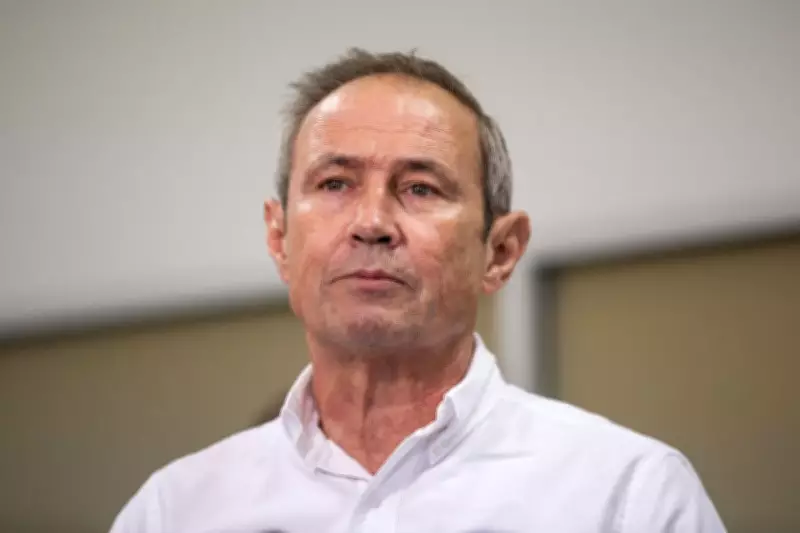
In a recent opinion piece, the Roger Cook-led government in Western Australia has come under scrutiny for what critics describe as a pattern of deflecting responsibility onto others. This analysis, part of a series known as Basil's 10, delves into the political dynamics surrounding the state's leadership and its handling of various issues.
Political Accountability in Focus
The article argues that when challenges arise, the Cook government frequently points fingers at external factors or opposition parties, rather than taking direct ownership of problems. This behaviour, according to the piece, has become a recurring theme in Western Australian politics, raising questions about transparency and governance.
Implications for State Leadership
Critics suggest that this blame-shifting approach may undermine public trust and hinder effective policy implementation. The opinion highlights specific instances where the government has been accused of avoiding accountability, from economic matters to social policies, without providing concrete examples to maintain neutrality.

Supporters of the government, however, contend that such criticisms are often politically motivated and fail to acknowledge the complexities of governing. They argue that the Cook administration has made strides in areas like infrastructure and public services, though the piece does not delve into these counterpoints in detail.
Broader Context in Australian Politics
This discussion is set against a backdrop of broader trends in Australian state politics, where leaders across the country face similar accusations of deflecting blame. The article suggests that the Cook government's actions reflect a wider issue of political culture, where accountability can sometimes take a backseat to partisan manoeuvring.
As debates continue, the focus remains on how the Western Australian government will address these criticisms and whether it will adopt a more proactive stance in taking responsibility for its decisions. The opinion piece concludes by emphasising the importance of robust leadership and open dialogue in fostering a healthy political environment.