Martin Parkinson Condemns Public Service Cuts as Albanese Government Seeks Savings
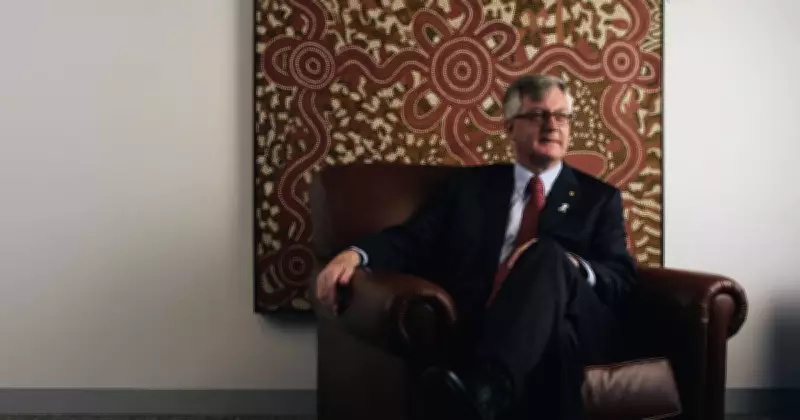
Former senior public servant Martin Parkinson has expressed strong criticism of recent cuts to the public service, describing them as unsurprising given the Albanese government's ongoing drive to achieve significant savings across federal departments. Parkinson, who previously served as the head of the Department of the Prime Minister and Cabinet, highlighted that these reductions are part of a broader effort to streamline government operations and reduce expenditure.
Impact on Service Delivery and Morale
Parkinson emphasised that the cuts could have severe consequences for the quality and efficiency of public services delivered to Australians. He warned that reducing staff numbers and resources might lead to delays in processing applications, slower response times, and a general decline in the effectiveness of government programs. Additionally, he pointed out that such measures often negatively affect employee morale within the public sector, potentially leading to higher turnover rates and a loss of institutional knowledge.
The former bureaucrat noted that while savings are necessary, they should not come at the expense of essential services. He argued that a balanced approach is required, one that considers both fiscal responsibility and the need to maintain robust public administration. Parkinson's comments come amid increasing scrutiny of the government's handling of public sector reforms.

Context of the Albanese Government's Savings Push
The Albanese government has been actively pursuing a series of cost-cutting measures as part of its broader economic strategy. This includes efforts to eliminate wasteful spending, improve efficiency, and redirect funds towards priority areas such as healthcare, education, and infrastructure. However, Parkinson's remarks suggest that these initiatives may be overly focused on short-term financial gains without adequately addressing long-term implications for governance.
He further explained that public service cuts are often a predictable outcome when governments prioritise budget savings, but they can undermine the capacity of departments to implement policies effectively. This is particularly concerning in areas requiring specialised expertise or continuous oversight.
Broader Implications for Public Administration
Parkinson's critique extends beyond immediate operational concerns to highlight potential risks for democratic accountability and transparency. A weakened public service might struggle to provide independent advice to ministers, conduct thorough policy analysis, or ensure compliance with regulatory standards. This could erode public trust in government institutions and hinder efforts to address complex societal challenges.
- Reduced staffing levels may limit the ability to respond to crises or emergencies promptly.
- Loss of experienced personnel could result in gaps in policy development and implementation.
- Increased reliance on contractors or temporary staff might lead to higher costs over time.
In conclusion, Martin Parkinson's warnings serve as a reminder of the delicate balance between fiscal prudence and maintaining a capable public service. As the Albanese government continues its savings push, it will need to carefully weigh these factors to avoid detrimental impacts on service delivery and governance integrity.