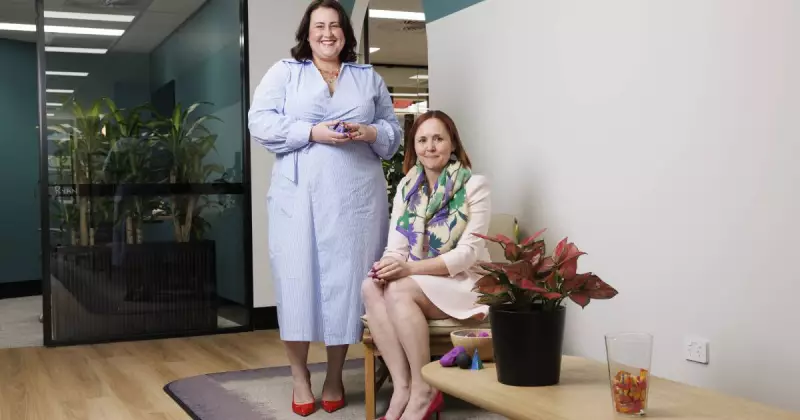
In a modern office on Canberra's London Circuit, a simple yet strategic choice sits on communal tables: bowls of high-protein muesli bars. This detail is a cornerstone of the culture at Empact, a consulting firm where close to half of the 60-strong team identifies as neurodivergent.
The Power of Protein and Permission to Fidget
According to Empact's chief executive, Claire Thomas, an afternoon protein hit is a direct productivity booster. "A lot of us take ADHD medication that wears off around three o'clock, chuck some protein in and it extends it for another couple of hours," she explained.
When Thomas founded the firm in early 2023, she didn't set out to create a specifically neurodivergent-affirming environment. However, by introducing what she calls "micro-affirming" elements—like a selection of fidget spinners and sensory toys—and openly discussing her own ADHD, she naturally attracted talent who valued such an approach.

"Rather than just talking about being neuro-inclusive, we talk about neuro-affirming," Thomas said. "We actually are celebrating and recognising the unique way that you think."
From Inclusive Culture to Business Success
This culture has translated into remarkable commercial results. Empact was recently named one of Australia's fastest-growing start-ups for 2025 by the Australian Financial Review. Specialising in government consulting, the firm has secured work with around 15 Commonwealth agencies in the past three years—a significant feat during a period of reduced federal spending on external consultants.
Thomas credits this success directly to the company's inclusive foundations. "I think that affirming culture is at the core of why we're successful, rather than the success has enabled us to do that," she stated.
Lessons for the Australian Public Service
The neurodiversity conversation is gaining momentum in the broader public sector. The latest APS employee census revealed that 11 per cent of public servants identify as neurodivergent, up from 9 per cent in 2024.
Thomas believes the public service has strong foundations with generous leave and flexibility, but says building a truly affirming workplace starts with clarity. This can involve removing confusing outdated signage or simplifying complex internal procedures. "All people benefit from clarity, but particularly neurodivergent people," she noted.
Amy Abrahams, Empact's Head of People, who received a neurodivergent diagnosis just before her 40th birthday, emphasises the importance of open dialogue. "It's that simple piece of sharing that I have this, I live with this ... this is a part of who I am," she said. For Abrahams, a non-linear thinking style is an asset: "It's like somebody's exploded all of the possibilities in my brain, and I can connect things over there and over there."
The ultimate takeaway from Empact's experience is universal. Businesses and agencies achieve better outcomes, Thomas argues, when people feel safe to "let down that mask and bring your whole self to work." It's a lesson in how small, thoughtful changes can unlock significant potential.