Revised APS Travel Policy Maintains Status Credits for Official Travel
The Australian Public Service has confirmed that government employees will retain their ability to accumulate airline status credits for work-related journeys under newly revised travel arrangements. However, significant restrictions have been introduced that prohibit airlines from offering double status credit promotions specifically to public servants.
New Restrictions on Airline Promotions
A Department of Finance spokesperson has verified that this requirement forms part of the approach to market for establishing a new airline panel, scheduled for implementation by July 1, 2026. The official documentation states clearly: "Government travellers may accrue status credits for official travel, but airlines must not provide government travellers with access to any additional status credits as part of any promotional, marketing or incentive activity."
This policy adjustment follows an extensive review of public servants' eligibility for status credits, prompted by concerns that such benefits might encourage officials to deviate from the mandatory requirement to book the "lowest practical fare" on taxpayer-funded flights. Since 2010, while frequent flyer points have been prohibited for public servants, the accrual of status credits has remained permissible, enabling access to premium airline tiers that offer lounge privileges and other travel benefits.

Market Dominance and Industry Response
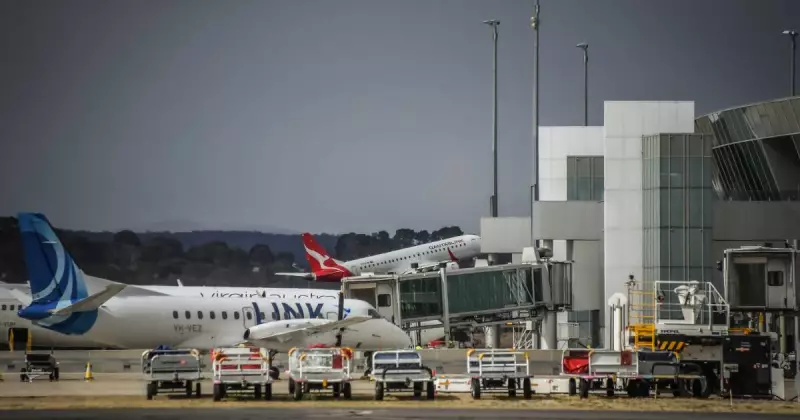
Qantas, which currently captures approximately 80 percent of federal government travel bookings, took preemptive action by banning government employees from participating in status credit promotions last August. This decision followed revelations of increased public servant travel bookings during one of the airline's week-long promotional periods.
Virgin Australia has advocated more strongly for reform, submitting to the aviation white paper that the accrual of airline status credits by public servants should be completely revoked. The airline suggested this practice contributes to Qantas' market dominance in government travel, though a Virgin Australia spokesperson declined to provide further comment before publication deadline.
Political Scrutiny and Concerns
Independent ACT Senator David Pocock, who has previously questioned the appropriateness of status credits for public servants, expressed skepticism about the updated regulations. "This change will not resolve the issue with status credits incentivising government travelers not to book the cheapest available fare and will see no, or very little, change to the status quo," he stated.
Senator Pocock emphasized the particular significance for Canberra residents, noting "the volume of government travel in and out of Canberra and the outsized impact a lack of genuine and fair market competition has on the prices of airfares."
Broader Travel Policy Overhaul
The government initiated a comprehensive review of public servants' travel arrangements following recommendations that officials should be barred from accepting flight upgrades except in exceptional circumstances. These principles have been incorporated into the draft travel policy, which is expected to be published on the Finance department's website shortly.
Notably, the policy will not extend to federal parliamentarians and their staff, whose travel arrangements fall under separate legislative frameworks.
Context of Government Travel Spending
These policy developments occur alongside the Albanese government's efforts to reduce departmental travel expenditures, with flights and hospitality spending identified as part of $6.4 billion in savings announced before the last election. During the 2024-25 financial year, the government allocated $953 million for domestic and international travel.
The scrutiny of travel expenses intensified recently when senior government ministers faced criticism for utilizing family travel provisions to bring partners and children to major sporting events at taxpayer expense. This controversy emerged after Communications Minister Anika Wells expensed $120,000 for a trip to New York promoting the government's social media restrictions for minors.

In a related development, the Remuneration Tribunal issued recommendations earlier this week to restrict MPs' family travel entitlements exclusively to economy class flights, addressing concerns about parliamentary travel expenditures.