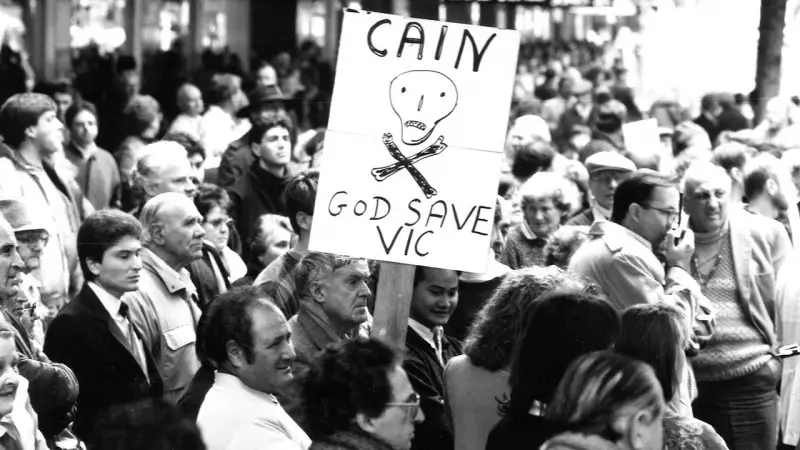
Secret Victorian government documents, kept under wraps for decades, have finally been unsealed, exposing the chaotic internal panic and desperate attempts to manage the fallout from the catastrophic collapse of the Geelong-based Pyramid Building Society.
The Day the Money Stopped: Geelong's Financial Heart Attack
On the morning of 14 February 1990, the Geelong community was plunged into crisis. The Pyramid Building Society, a trusted local financial institution, froze deposits, trapping the savings of tens of thousands of Victorians. The newly revealed cabinet documents from the government of Premier John Cain paint a picture of an administration caught completely off-guard and scrambling to contain a disaster.
The documents show that just one day before the freeze, on 13 February, the government believed the society was merely facing a "liquidity problem." This assessment proved catastrophically optimistic. Behind the scenes, a frantic cover-up was already in motion. Authorities had secretly arranged for 20 armed guards to be stationed at Pyramid's headquarters, fearing a physical run on the bank by angry depositors.

Behind Closed Doors: Panic and Political Damage Control
The unsealed papers reveal the government's immediate priority was political survival and controlling the narrative. A confidential memo warned that the collapse "could bring the government down" if not handled correctly. Cabinet was told in stark terms that the crisis threatened "the stability of the Victorian financial system."
In a desperate bid to limit the damage, the Cain government rushed through a radical and controversial rescue package. This involved forcibly merging Pyramid with another troubled entity, the Geelong-based Countrywide Building Society. The deal was slammed by critics as a "shotgun wedding" that simply created a larger, more unstable financial institution. The documents confirm the government knew the merged entity was likely to fail, but saw the move as the only way to buy time and avert immediate, total collapse.
Treasurer Rob Jolly and Attorney-General Jim Kennan were key figures in managing the crisis, with Kennan notably stating the government had to act to prevent "very serious economic and social consequences." The fallout was immense. Ultimately, over 200,000 depositors lost access to their money, with total losses estimated in the hundreds of millions of dollars. The crisis devastated the Geelong economy and eroded public trust for a generation.
A Legacy of Distrust and Lessons Unlearned
The Pyramid collapse remains one of the most significant financial failures in Australian history. The unsealing of these documents, over three decades later, provides a raw and unfiltered look at how a government reacts when faced with an economic avalanche. It exposes a sequence of:
- Underestimation: A failure to grasp the true scale of the crisis until it was too late.
- Secrecy: Covert operations, like deploying armed guards, to prevent public panic.
- Political Pragmatism: Choosing a flawed merger to avert immediate disaster, despite knowing the long-term prognosis was poor.
- Profound Economic Harm: The lasting damage inflicted on the Geelong community and Victorian economy.
For the people of Geelong and Victoria who lived through the trauma, these documents confirm long-held suspicions about the chaos and cover-ups at the highest levels. The Pyramid collapse saga is a stark lesson in financial regulation, government transparency, and the very real human cost when trusted institutions fail.