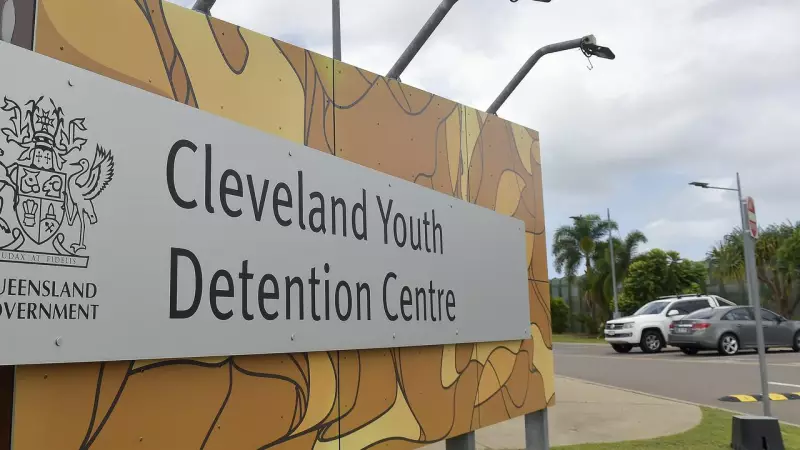
A senior Queensland judge has issued a stark warning, revealing a significant and concerning increase in the number of children being sent to youth detention centres. The trend, observed in courts across the state, is being driven by a fundamental deficit in young offenders' ability to understand the consequences of their actions.
A Disturbing Trend in the Childrens Court
Judge Tracy Fantin, who presides over the Cairns Childrens Court, provided a rare insight into the escalating situation. She stated that the courts are now sending more children to detention than at any point in her recent memory. This shift is not due to a change in judicial philosophy but is a direct response to the nature and severity of the offences being committed.
The core issue, according to Judge Fantin, is a profound lack of "consequential thinking" among young offenders. She explained that many children appearing before her demonstrate an inability to connect their actions with the outcomes, whether for themselves or their victims. This cognitive gap makes community-based orders, which rely on an understanding of cause and effect, increasingly ineffective.

"We are struggling to find options in the community that will be effective," Judge Fantin said, highlighting the judiciary's dilemma. When young people repeatedly breach orders designed as an alternative to detention, the courts are left with few other avenues.
System Under Strain and the Search for Solutions
The surge in detention orders is placing immense pressure on Queensland's youth justice system. With more children being remanded or sentenced to detention, facilities are facing overcrowding and resource challenges. This environment can hinder rehabilitation efforts, potentially creating a cycle that is difficult to break.
Legal advocates and community workers point to deeper systemic issues fuelling the crisis. They argue that factors such as trauma, disrupted home lives, poor school engagement, and a lack of support services are significant contributors to the behaviour seen in court. Simply incarcerating more young people, they warn, does not address these root causes and may exacerbate the problem in the long term.
The situation calls for a multi-faceted response. Experts suggest that investment in early intervention programs, intensive family support, and educational initiatives designed to build cognitive skills—including consequential thinking—are critical. There is a growing consensus that the justice system alone cannot solve this complex social issue.
What Does This Mean for Queensland's Future?
The rising detention rates represent a critical juncture for Queensland's approach to youth justice. Judge Fantin's comments serve as a powerful indicator that the current strategies are failing to curb the behaviour of a cohort of young offenders. The reliance on detention is a symptom of a broader failure in prevention and early intervention.
The challenge for policymakers, community leaders, and the justice system is to develop responses that not only hold young people accountable but also equip them with the skills they lack. This includes programs that explicitly teach cause-and-effect reasoning, empathy, and impulse control. Without such measures, the courts may continue to see the same faces, and the cycle of offending and detention will persist.
The revelations from the Cairns Childrens Court are a wake-up call for the entire state. Addressing the deficit in consequential thinking is not merely a judicial concern but a societal imperative if Queensland hopes to reduce youth crime and build safer communities.