Government Declines to Confirm Australian Sailors' Presence on US Submarine That Sank Iranian Warship
The federal government has steadfastly refused to confirm or deny explosive reports that two Australian sailors were aboard a United States nuclear-powered submarine when it launched a torpedo attack that sank an Iranian warship off the coast of Sri Lanka. According to a detailed report from The Sydney Morning Herald, the Australians were believed to be on the American submarine as part of the high-profile AUKUS training rotation program, which systematically embeds Australian Navy personnel with US submarine crews to enhance interoperability and skills transfer.
Strict Operational Protocols Prevent Disclosure
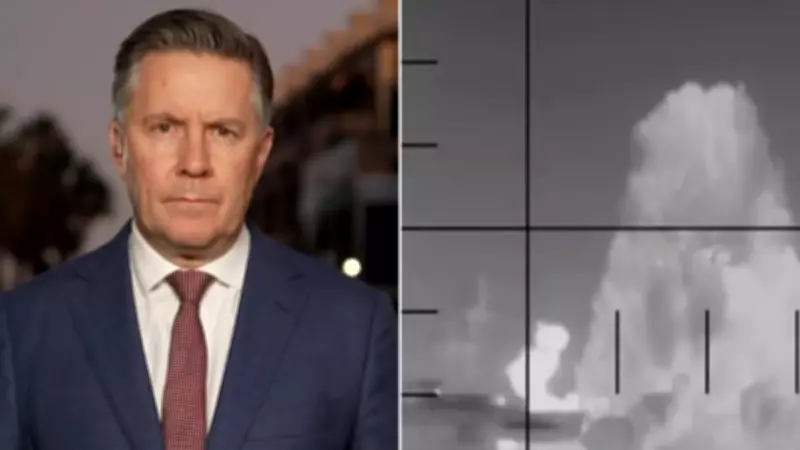
Health Minister Mark Butler, speaking in a media capacity, confirmed that Australian submariners have indeed been rotating on US Navy submarines operating out of Pearl Harbor as part of long-term strategic preparations under the landmark AUKUS security partnership. However, he emphasized that there are stringent, long-standing protocols that strictly prevent the government from disclosing the specific locations or operational details of Australian Defence Force personnel when they are deployed on sensitive missions.
"That's there for very clear operational reasons," Butler stated unequivocally during an interview on Sunrise on Friday. "What we've said over the last 24 hours, more particularly what the defence department has said, is in very clear accordance with those longstanding protocols."

Defence Department Echoes Secrecy Stance
The Department of Defence corroborated that Australian Navy personnel have been participating in rotations with US submarines based out of Pearl Harbor. However, in a carefully worded statement, the department explicitly declined to reveal whether any Australians were aboard the specific submarine involved in the lethal strike against the Iranian vessel.
"There are long-standing arrangements relating to third country deployments to ensure Australian interests are managed appropriately," a Defence spokesperson articulated. "It is not appropriate to go into these details. For operational security reasons, the Australian Defence Force does not disclose specific details regarding third country deployments, including the number of personnel or their location."
Details of the Naval Engagement and Aftermath
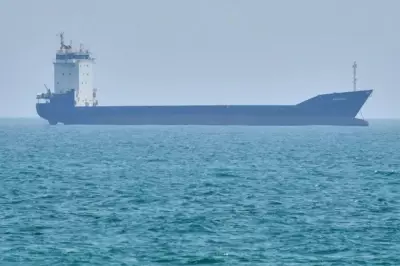
The military engagement occurred on Wednesday evening when the US submarine struck the Iranian frigate IRIS Dena with a powerful Mark-48 torpedo. The attack resulted in the catastrophic sinking of the vessel, with initial reports indicating dozens of sailors were killed in the incident. Sri Lanka's Navy reported that the Iranian warship sent a desperate distress call approximately 40 nautical miles (75 kilometres) off the port city of Galle before it succumbed to the damage and sank beneath the waves.
The Sri Lankan authorities confirmed that rescue operations recovered 87 bodies from the water, while 32 sailors were successfully rescued alive. The defence department was quick to stress that this offensive military action was not an Australian operation, clearly delineating Australia's role from the direct combat actions of its allies.
"As the United States and Israel have said, the military strikes were initiated and conducted by the United States and Israel - not Australia," the Defence spokesperson reiterated firmly, underscoring the point to avoid any misinterpretation of Australia's involvement.
Political Support for AUKUS Training and Protocols
Deputy Opposition Leader Jane Hume voiced strong support for the AUKUS training initiatives during her own appearance on Sunrise. She highlighted that having Australian sailors train on advanced US submarines constitutes a critical component of the AUKUS agreement, fundamentally designed to bolster Australia's future defence capabilities and technological edge.

"It allows our submariners to upskill, to be able to bring that capability to our own submarines in the future and strengthen our military capability," Hume explained. "Those protocols are there for a very good reason." Her comments reflect a bipartisan understanding of the necessity for operational secrecy in such high-stakes military collaborations.
Scale of AUKUS Personnel Exchanges
Looking ahead, the AUKUS submarine pathway is set to expand significantly. Defence planning indicates that up to 100 Australian sailors are expected to undergo training aboard US submarines throughout this year alone. This substantial personnel exchange underscores the depth of the trilateral commitment and the intensive preparation underway to ensure Australian crews are fully proficient in operating cutting-edge nuclear-powered submarine technology, a cornerstone of the nation's future strategic deterrent.