Former Detective Exposes How Killer's Overconfidence Led to Conviction in Staged Murder
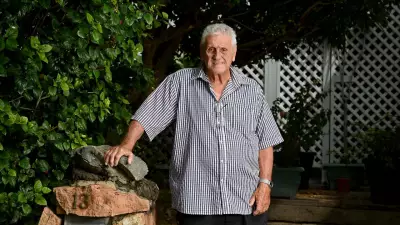
The retired police officer who investigated the death of Lainie Coldwell has revealed how the high-profile murderer's own sense of invincibility ultimately led to his conviction. From the moment he saw the base of the gumtree where Coldwell's body was discovered in rural Queensland, Gerry Thornton suspected her so-called "freak accident" death had been carefully staged.
The Staged Crime Scene and Initial Investigation
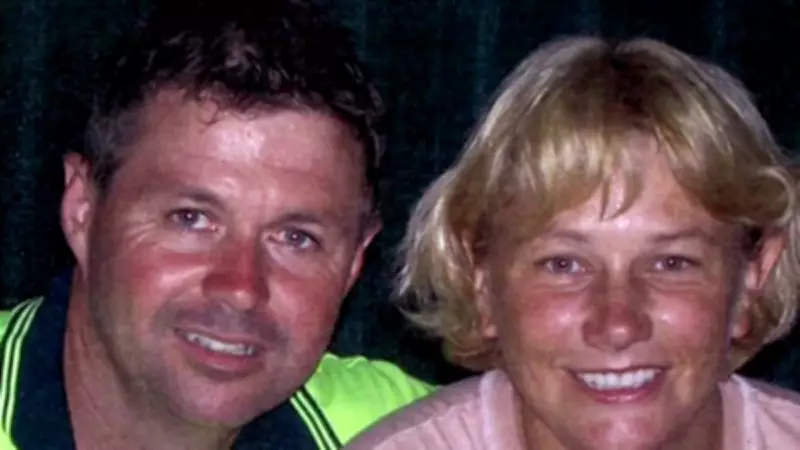
Her killer, Louis Mahony, served as a Northern Territory Police constable at the time, and Thornton believes it was Mahony's confidence in his police background that made him think he could get away with murder. During Mahony's 2017 trial, the court heard disturbing details about how he bashed his long-term girlfriend in the back of the head with an iron at their Charleville home before moving her body to a tree covered in Christmas lights.
Mahony then claimed Coldwell had fallen from a ladder while taking down the decorations, creating what appeared to be a tragic accident scene. Thornton happened to be in Charleville that fateful day and drove past the crime scene, immediately sensing something was wrong with the official narrative.

Going Against Police Orders
Despite going against police orders, Thornton began looking more closely at Mahony's story. "He really took delight in telling people that the police had cleared him, which was true — they had cleared him," Thornton revealed on the 7NEWS' Kiss & Kill podcast. This initial clearance only seemed to bolster Mahony's confidence in his ability to deceive investigators.
Forensic criminologist Claire Ferguson, who also features in the podcast, noted that Mahony tried to present himself as a lovable larrikin but was actually "much more calculating" than that initial impression suggested. She explained that expert abusers use tactics "honed and practised often over a lifetime to manipulate people."
The Killer's Fatal Overconfidence
Thornton believes Mahony "overestimated his ability" and that this miscalculation ultimately led to his downfall. "I think he kept tripping up because he thought he was invincible," the retired detective said. "And you've got to admit, those first few months, he had a pretty good run. No one questioned him."
This early success created a dangerous level of confidence. "So his confidence is sky high. And I think he was a little bit disappointed that people didn't recognise sort of what a good job he'd done," Thornton added. Ferguson expanded on this psychological profile, noting "Of course, he's going to be confident, because this is his playbook that's always worked previously, and he's just now learning the hard way that those behaviours were not convincing."
Unmasking the True Character
Thornton met Mahony and spoke with him several times on the phone during the investigation, with Mahony even calling to check on the progress of the case. His initial impression was that Mahony appeared "very personable, very smooth, and convincing." However, Thornton later realized Mahony "would basically tell you anything" and "always appeared to be someone that he wasn't."
"He always wanted to be someone a bit bigger and a bit better than what he was," Thornton explained. "When you talk to other people, it was very money-driven." This financial motivation became evident when Thornton discovered Mahony had taken out life insurance policies totaling $2.25 million in Coldwell's name. Mahony later lied about Coldwell leaving work early to purchase these policies, further exposing his deception.
The Persistent Investigation Pays Off
Thornton's persistence led to the reopening of Mahony's case in 2011, and after a thorough investigation, Mahony was convicted of murder and sentenced to life in prison in 2017. He will be eligible for parole in 2030, but the case stands as a testament to how thorough police work can overcome even the most carefully staged crimes.
The retired detective's insights reveal how Mahony's own personality traits — his overconfidence, his need to appear more important than he was, and his belief in his invincibility — ultimately created the cracks in his story that led to his conviction. What began as a seemingly perfect crime unraveled because the perpetrator couldn't resist overplaying his hand.