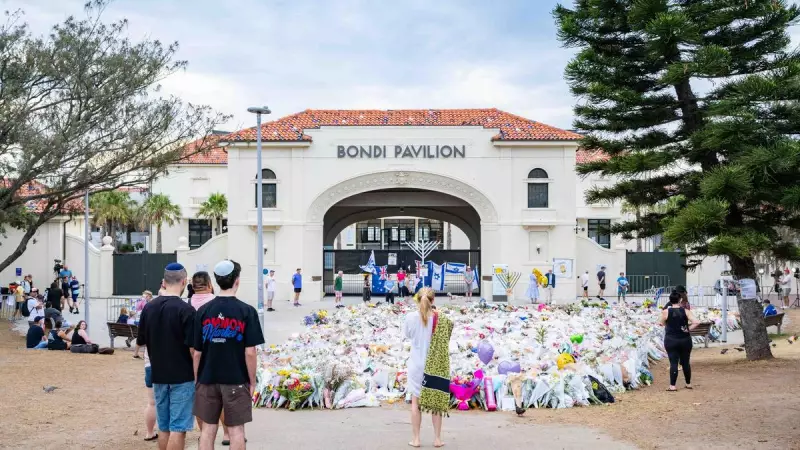
The horrific attack at Bondi, which claimed the lives of fifteen innocent Australians and one of the shooters, stands as the nation's most severe national security lapse in decades. This tragedy demands immediate and unequivocal accountability from the highest levels of government to ensure such an event is never repeated.
A Catastrophic Failure of Core Security
This incident transcends the ongoing crisis of anti-Semitism and extends far beyond the issue of gun control. It represents a fundamental breakdown in Australia's core national security apparatus, placing every citizen in jeopardy. The chilling question now posed to the nation is: if we cannot safely visit a beach with our families, what does it mean to be Australian?
Australians are rightfully furious that those entrusted with their safety have failed them so profoundly. The perpetrators, individuals with multiple known affiliations to terrorist groups and registered access to firearms, were able to assemble explosives, train, plot, and execute a mass killing while authorities remained oblivious.

Unheeded Warnings and Missed Priorities
Critical questions demand answers. Why were these individuals not under active surveillance? What could possibly have been a higher priority for intelligence resources than monitoring known extremists with access to weapons? While hindsight offers clarity, this was not an isolated 'lone wolf' act. The attackers were known to authorities for their extremist links.
It is difficult to avoid the conclusion that, had Australia adopted the domestic intelligence priorities, methodologies, and resource levels of some key allies, the Bondi tragedy might have been prevented. Despite rising global terror threats, recent foreign-orchestrated violence on Australian soil, and repeated warnings from community groups and international partners, the government failed to adequately monitor these known threats.
The nation's dedicated security personnel possess the capability for such monitoring. Therefore, the failure must stem from a critical deficit in resourcing and political prioritisation, responsibilities that fall squarely on the shoulders of the nation's political leadership.
The Imperative for Visible Accountability
The worst terrorist attack on Australian soil has occurred on this government's watch. The primary duty of any political leader is to keep citizens safe—a duty that has not been fulfilled. Accountability is now non-negotiable and must be publicly demonstrated. For a security failure of this magnitude, senior figures, including responsible ministers, must take responsibility.
The government's initial instinct to downplay the event as merely a gun control issue was a shameful attempt to evade this necessary accountability. Prime Minister Anthony Albanese's delayed and hesitant response, coming only after days of mounting public pressure, revealed a leadership lacking conviction and urgency.
This points to a political class wilfully complacent in the face of genuine threats to the Australian way of life, more concerned with optics than with the hard work of ensuring safety. Minister for Home Affairs Tony Burke must resign as a starting point. His foremost responsibility was to prevent such attacks. Having failed, the honourable course is to step down. Overseeing intelligence services is a solemn, full-time duty, incompatible with the distraction of multiple other portfolios.
Prime Minister Albanese has called for national unity, but true solidarity cannot exist without accountability starting at the very top. Without it, his words are empty platitudes that will be repeated after the next preventable tragedy.