The Dilemma of Controlling Unruly Protests After Sydney Violence
In the wake of recent violent protests in Sydney, Australian authorities are grappling with a profound and multifaceted dilemma. The challenge lies in effectively controlling unruly demonstrations to ensure public safety, while simultaneously upholding the fundamental democratic right to peaceful assembly. This delicate balance has sparked intense debates across political, legal, and social spheres, as incidents of violence during protests have raised urgent questions about the adequacy of current measures and the potential need for reform.
Escalating Tensions and Public Safety Concerns
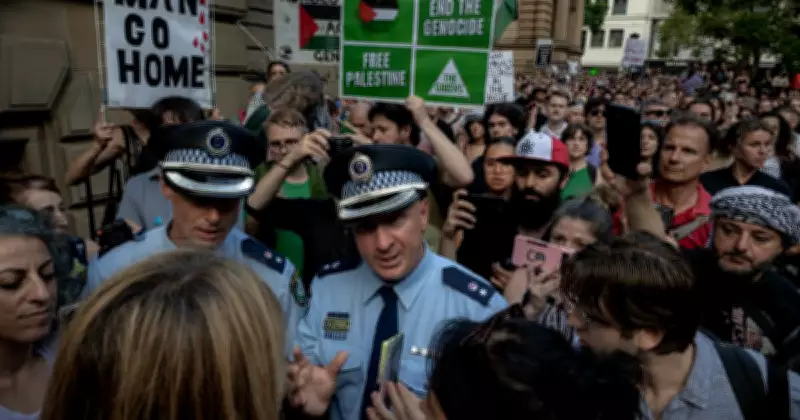
The Sydney violence, which involved clashes between protesters and law enforcement, has highlighted significant public safety risks. Authorities report injuries to both police officers and civilians, along with property damage, underscoring the immediate dangers posed by such unrest. This has led to calls for stricter enforcement and more robust protocols to prevent similar outbreaks in the future. However, critics argue that overly harsh responses could infringe on civil liberties and escalate tensions further, creating a cycle of conflict rather than resolution.
Legal and Ethical Implications of Protest Control
From a legal standpoint, the dilemma revolves around interpreting and applying laws that govern public assemblies. Australian law permits peaceful protests as a cornerstone of free speech, but it also grants authorities powers to intervene when demonstrations turn violent or disruptive. The recent events in Sydney have prompted discussions about whether these powers are sufficient or if new legislation is required. Ethically, there is a tension between protecting community welfare and respecting individual rights, with some advocating for a nuanced approach that distinguishes between peaceful protesters and those inciting violence.

Political and Social Reactions to the Violence
Politically, the Sydney violence has become a flashpoint for broader debates on protest management. Government officials have emphasized the need for order and security, while opposition groups and civil society organizations warn against measures that could suppress legitimate dissent. Socially, the incidents have divided public opinion, with some citizens supporting stronger controls to prevent chaos, and others defending the right to protest as essential for democratic engagement. This polarization complicates efforts to find a consensus on how to address unruly protests effectively.
Potential Solutions and Future Directions
Moving forward, experts suggest several potential solutions to this dilemma. These include enhancing dialogue between protest organizers and authorities to de-escalate tensions, improving training for law enforcement in crowd management, and implementing clearer guidelines for when and how interventions should occur. Additionally, there is a push for community-based initiatives that address underlying grievances driving protests, thereby reducing the likelihood of violence. As Australia navigates this complex issue, the goal remains to foster an environment where protests can occur peacefully without compromising public safety or democratic principles.