A pivotal Senate vote scheduled for Tuesday is set to become a defining moment for Australia's political leaders, exposing significant weaknesses within both major parties. The legislative showdown over the federal government's combined hate speech and gun control bills caps off a summer of political turmoil that has left the public disillusioned.
Leadership Under the Microscope
Prime Minister Anthony Albanese has faced sustained criticism for what many perceived as a slow and overly bureaucratic response to the Bondi massacre. Families of the victims accused him of political point-scoring, a significant own goal for the government. However, the political damage has been more severe for Opposition Leader Sussan Ley.
Ms Ley's approval ratings have sunk to depths not seen even under her predecessor, Peter Dutton. With the Coalition failing to gain traction in the polls despite the government's missteps, Liberal backbenchers are privately questioning the effectiveness of their current leadership team. The opposition has retreated into a confused defensive position, alienating its core supporters while failing to appeal to centrist voters.

One Nation Emerges as the Clear Winner
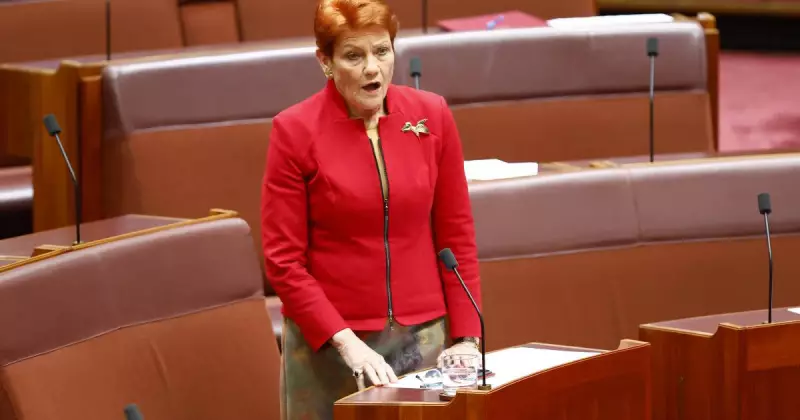
The real political beneficiary from the fallout of the Bondi tragedy has been Pauline Hanson's One Nation. The party is harvesting disaffected conservative votes in record numbers, surging to as high as 22 per cent in some opinion polls. This figure overtakes the Coalition's own historic low of 21 per cent.
Despite this surge, One Nation's voter base remains too geographically diffuse to translate into a significant number of lower house seats. The Senate, however, presents a different story. The Coalition is vulnerable in the upper house, and a strengthened crossbench of populists threatens to make future governance more chaotic and unpredictable.
A Wedged Coalition and a Pragmatic PM
The tactical landscape shifted dramatically when The Greens refused to support the hate speech components of the government's omnibus bill, forcing a split. In a bizarre political twist, the minor party has agreed to pass the government's $1 billion firearm buyback scheme, saving its gun control agenda.
Conversely, the Coalition is set to oppose the gun reforms entirely. They may attempt to salvage some credibility by supporting security-focused aspects of the hate speech legislation, such as crackdowns on hate preachers and groups like Hizb ut-Tahrir. This position highlights a deep internal conflict: the party campaigned for months on adopting all recommendations from the anti-Semitism envoy, which included criminalising hate speech, but now appears to have gone cold on the idea, trapped between security rhetoric and its base's fear of government overreach.
The omnibus bill was a clear political wedge by the Albanese government, and it has succeeded in creating a messy compromise. The Prime Minister is demonstrating ultra-pragmatism, determined to deliver a legislative result by any means to regain control of the political narrative. However, this rush to legislate and the naked political manoeuvring have left voters deeply cynical. The aftermath of a national tragedy, which could have been a moment for unity, has instead devolved into a partisan brawl, revealing a profound lack of coherent strategy and leadership at the highest levels.