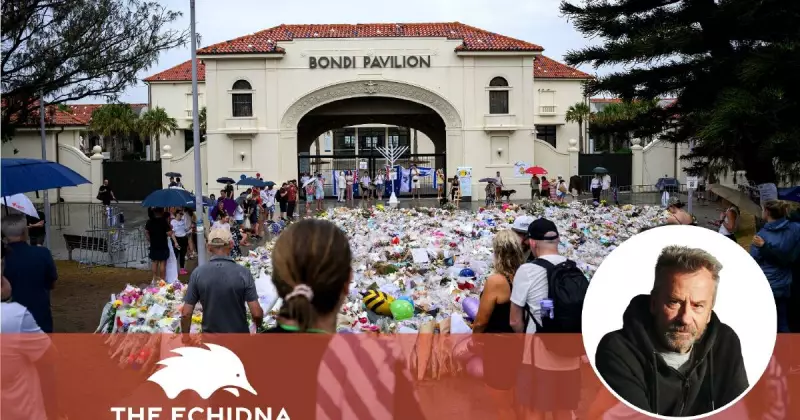
The first chilling alert arrived as a buzz on my phone, thousands of kilometres from home in a Bali hotel room. Unconfirmed reports of a shooting in Bondi. Initially, it seemed like just another grim headline in a city grown accustomed to gangland violence. But as the notifications kept coming, the horrifying truth unfolded: this was an act of anti-Semitic terrorism on a scale that would shake the nation.
A Nation's Shock and a Fleeting Unity
For hours, we were glued to our devices, distant and powerless, as the full horror of the Bondi Beach terrorist attack was revealed. We watched the panicked social media videos, saw the crowds scrambling, and witnessed the two gunmen on the footbridge. We felt a surge of profound relief checking on a Jewish friend who, thankfully, had not attended the Chanukah event. We shared in the collective shock, anger, and grief of fellow Australians.
In those first raw hours, a rare sense of national unity emerged, a shared condemnation of a barbaric act. This shared purpose, however, proved tragically short-lived. The ugly machinery of politics swiftly intruded, smothering that fragile cohesion from all sides of the political spectrum.

The Political Blame Game Begins
Prime Minister Anthony Albanese faced immediate calls for a royal commission. While urging caution and opting for a faster independent review led by Dennis Richardson—due to report by April—his explanation was clumsy. His claim, echoed by Home Affairs Minister Tony Burke, that a royal commission could platform extremist views was widely dismissed as bunkum, given such inquiries control their own proceedings.
A smarter approach would have been to reserve judgement, awaiting Richardson's findings before ruling anything in or out. But the damage to public trust was compounded by the opposition's response.
Opposition Deputy Leader Sussan Ley, once a conservative voice for the Palestinian cause, was quick to lay blame squarely at Albanese's feet. She claimed he had allowed anti-Semitism to fester since October 7, despite intelligence indicating the radicalisation of one attacker was noted by ASIO as far back as 2019.
Ley's rhetoric hit a new low with her claim that Foreign Minister Penny Wong "hadn't shed a single tear" since the massacre—a comment she doubled down on the following day.
Questions of Cohesion and Leadership
Former treasurer Josh Frydenberg, a prominent Jewish community member, expressed understandable anger, arguing not enough had been done to combat anti-Semitism. Yet this stance was scrutinised given his past advocacy, as a minister, to water down racial discrimination protections.
Perhaps the most grotesque display came days later, with the presence of One Nation's Pauline Hanson and Barnaby Joyce at the Bondi Pavilion. Their appearance was seen as naked opportunism, a clown show in the midst of profound tragedy.
The aftermath of the Bondi massacre raises many urgent questions about security and radicalisation. But a crucial one remains: how did our political leaders conduct themselves in the days of national trauma? Did their actions and words bring a grieving nation together, or did they cynically push us further apart? The erosion of that initial, fragile unity suggests the latter, leaving a bitter taste as the community seeks to heal.