A prominent political commentator has issued a powerful critique, suggesting the nation's focus is dangerously misplaced. According to Amy Remeikis, the central question facing Australians is not about who enters the country, but why certain political figures are permitted to propagate hatred and deepen societal fractures.
A Stroll on Bondi That Symbolises a Broader Conflict
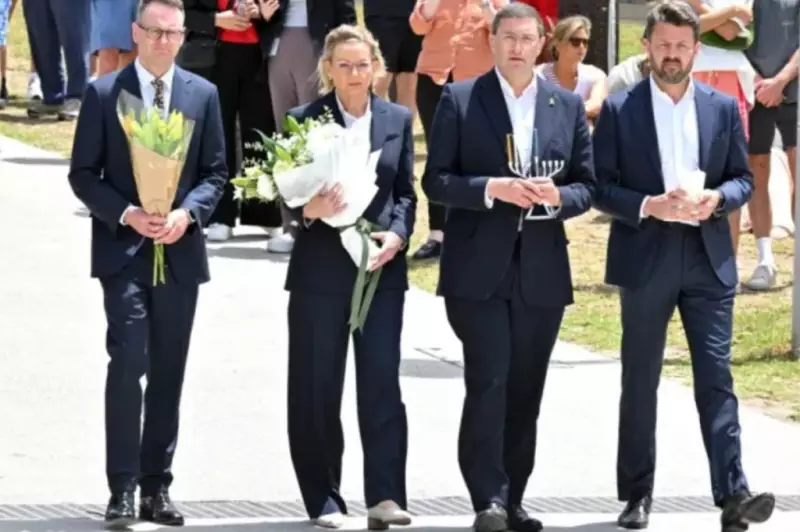
The commentary was prompted by a high-profile visit to one of Australia's most iconic locations. Opposition Leader Sussan Ley was photographed at Bondi Beach alongside Coalition frontbenchers Andrew Bragg, Julian Leeser, and Jonathon Duniam. The image, captured on December 21, 2025, has become a focal point in a heated national conversation about leadership and unity.
Remeikis's argument cuts to the heart of contemporary political discourse. She contends that the relentless focus on border security and immigration by some politicians serves as a distraction, while the more corrosive element—the language of division and fear—goes unchallenged. This perspective shifts the blame from new arrivals to established power players who, she argues, are actively shattering national cohesion.

The Real Cost of Divisive Political Language
The consequences of this approach are profound. When political debate centres on creating 'us versus them' narratives, it erodes the shared values and mutual respect that underpin a healthy democracy. The use of inflammatory rhetoric around sensitive issues like immigration can have tangible effects, fostering community tension and undermining social trust.
This incident at Bondi Beach is not an isolated event but part of a recurring pattern in Australian political life. The choice of location is itself symbolic; Bondi represents a quintessentially Australian, open, and communal space. The presence of senior political figures there, against the backdrop of this critique, highlights the stark contrast between the ideal of a unified society and the reality of divisive political strategies.
Looking Beyond the Soundbites
The challenge for voters, as framed by this analysis, is to scrutinise the intent behind political messaging. Are leaders seeking to solve complex problems like immigration through thoughtful policy, or are they leveraging public anxiety for short-term political gain? Remeikis's commentary urges a recalibration of national priorities, away from fear and towards a more constructive and inclusive dialogue about the country's future.
As the political cycle continues, the impact of such divisive tactics remains a critical issue for public debate. The health of the nation's democracy may depend on its ability to reject rhetoric that deepens hatred and instead reward leadership that builds common ground.