Thousands of deceased estates across Australia are effectively frozen amid confusion over Labor’s proposed trust tax overhaul. The proposed changes, announced in last week’s federal budget, would impose a new minimum 30 per cent tax rate on discretionary trust distributions, impacting an estimated 850,000 trusts nationwide. Experts warn families could face significantly higher tax bills depending on when a loved one died.
Impact on Testamentary Discretionary Trusts
Chartered accountant Geraldine Magarey told Sunrise on Wednesday the changes were particularly affecting testamentary discretionary trusts, which are established after someone dies and are commonly used in estate planning. Of the roughly one million trusts operating across Australia, about 10,000 are testamentary discretionary trusts.
“All of those discretionary trusts will now be subject to a minimum tax of 30 per cent on their distribution, not on the assets,” Magarey explained.

Exemptions and Complexity
However, trusts created for people who died before budget night will be exempt from the new rules, while those established afterwards could be hit with the higher minimum tax rate. The changes represent a significant shift for many Australians who previously paid tax at their marginal rate, which in some cases could have been as low as 15 cents in the dollar. Under the proposed model, beneficiaries would instead face a minimum rate of 30 cents in the dollar on trust distributions.
Magarey said discretionary trusts had long been used by families to legally minimise tax by distributing income to beneficiaries on lower tax brackets, including university students, while also protecting assets for vulnerable family members, including disabled children.
Government Denies 'Death Tax'
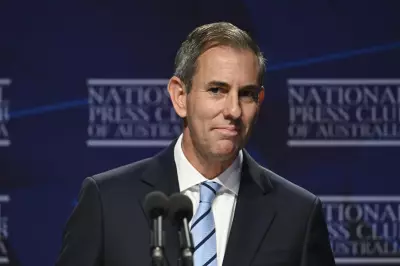
Treasurer Jim Chalmers denied the measures amounted to a “death tax”, insisting the government was targeting tax minimisation arrangements rather than inheritances themselves. Several exemptions remain under the new proposal, including farming trusts and the 10,000 testamentary trusts linked to people who died before budget night.
But Magarey warned the complexity of the changes meant many families and business owners were now urgently seeking advice. “It’s actually quite complicated, so I would always advise people to speak to their chartered accountant or their adviser to really get that detail about how it works for them,” she said.
Restructuring Costs and State Relief
There are also growing concerns about the cost of restructuring trusts to avoid the higher tax rate. Moving business assets from a trust into a company structure could trigger hefty stamp duty costs, particularly in Queensland and Western Australia. The federal government is negotiating with state governments over potential relief measures for businesses facing those additional charges, more than 20 years after stamp duties on such transfers were meant to be abolished under the GST reforms.
Stream free on 7plus.