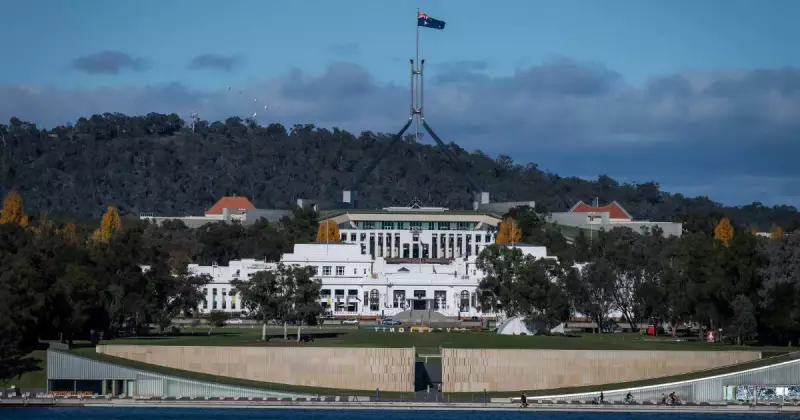
Major reforms to Australia's gun laws, which grant federal intelligence agencies expanded powers, have been labelled by an expert as an admission of an "absolute failure" of security oversight prior to the Bondi shooting.
Legislation Aims to Fix Intelligence-Sharing Breakdown
The proposed legislation, released publicly on Tuesday, January 13, 2026, is designed to close critical gaps exposed by the Bondi tragedy. It will allow state and territory authorities to access classified intelligence from federal bodies like the Australian Security and Intelligence Organisation (ASIO) and the Australian Criminal Intelligence Commission.
This information can be used to assess an individual's risk to public safety, even if they have no criminal conviction. The new threshold will be based on risk, not guilt.

Furthermore, the bill mandates an extra layer of security vetting for firearm licences through the national AusCheck system, which is typically used for high-risk sectors like aviation.
Expert Points to 'Catastrophic' Pre-Bondi Failure
Dr Samara McPhedran, a gun policy expert from Griffith University, stated the expanded powers directly address a catastrophic breakdown. She highlighted that Bondi shooter Sajid Akram was granted a gun licence despite his alleged accomplice and son, with whom he lived, being flagged by ASIO.
"It is very, very indicative that something had catastrophically failed with information sharing or how that information was used by NSW Police," Dr McPhedran said. "This proposed legislation... is saying this was an absolute failure of different agencies [ability] to work together."
Impact on Shooters and Import Restrictions
The draft laws also introduce tighter controls on firearm imports. Bans will apply to most assisted-repeating and straight-pull firearms, belt feeders, magazines holding more than 30 rounds, suppressors, and speed loaders. Importers will also face stricter proof of Australian citizenship requirements.
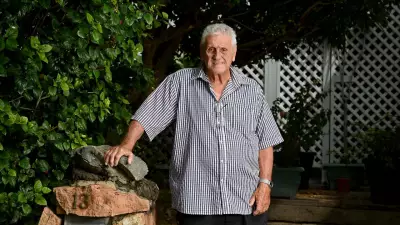
David McIntosh, a competitive target shooter from the Canberra Rifle Club, expressed concern that these changes could affect athletes, particularly biathlon shooters who use straight-pull rifles in events like the Winter Olympics.
"Most shooters were under the impression rigorous background checks were already occurring, and acted responsibly," Mr McIntosh said, noting that many practical details, like ownership limits, will be decided by states and territories.
Mixed Political Reception and Funding Concerns
The legislation has received a varied response. ACT police minister Marisa Paterson affirmed support for a "nationally consistent approach" and the digital firearms register.
However, ACT independent senator David Pocock raised concerns about a lack of consultation, promising to host roundtables with community leaders. The Northern Territory has reportedly pushed back against the proposed national gun buyback scheme due to a 50-50 funding split with the Commonwealth.
The crossbench, including Bondi's local member Allegra Spender, was due to be briefed on the legislation on Wednesday afternoon, January 14.