A recent incident in a Queensland council has sparked debate over whether a mayor has the authority to expel a CEO from a council meeting, raising questions about governance and power dynamics.
Incident Details
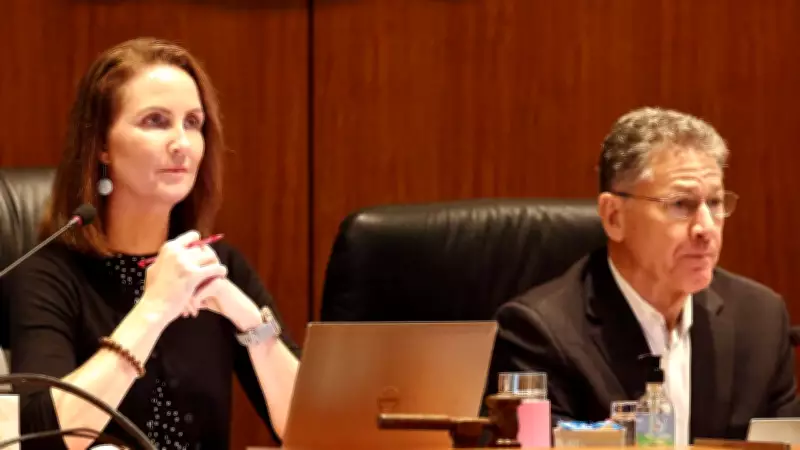
During a heated council meeting in Cairns, the mayor and the CEO clashed over procedural matters. The mayor, citing disorderly conduct, ordered the CEO to leave the chamber. The CEO refused, leading to a standoff that delayed proceedings. The incident has since drawn attention to the legal limits of a mayor's power under the Local Government Act.
Legal Framework
Under Queensland's Local Government Act, a mayor has the authority to maintain order during council meetings. However, the act specifies that this power extends to members of the public and councillors, not necessarily to the CEO, who is a statutory officer. Legal experts suggest that while a mayor can request a CEO to leave, the CEO may have grounds to challenge such an order if it is deemed unreasonable or beyond the mayor's jurisdiction.

Reactions and Implications
The incident has prompted calls for clearer guidelines on the roles and responsibilities of mayors and CEOs. Some councillors have expressed concern that such conflicts could undermine effective governance. Others argue that the mayor's actions were justified to maintain decorum. The Local Government Association of Queensland has indicated it may review policies to prevent similar disputes.
Broader Context
This case highlights ongoing tensions in local government across Australia, where the balance of power between elected officials and appointed executives is often tested. Similar incidents have occurred in other states, leading to reforms in some jurisdictions. The outcome of this particular standoff could set a precedent for how such conflicts are resolved in the future.
As the debate continues, both the mayor and the CEO have expressed a willingness to resolve the matter through dialogue. However, the incident has already sparked a wider discussion about the need for clear protocols and mutual respect in council chambers.