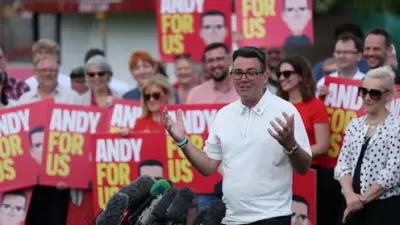
Andy Burnham, the Mayor of Greater Manchester, has emerged as a pivotal figure in Labour's strategy to reclaim the Makerfield constituency. His blend of northern identity and pragmatic policy-making offers a template for the party's revival in post-industrial heartlands.
Burnham's Rise and Regional Appeal
Burnham's political journey from MP for Leigh to metro mayor has been marked by a consistent emphasis on regional devolution and social justice. His handling of the Covid-19 pandemic, particularly his calls for a tighter lockdown in Manchester, bolstered his reputation as a leader willing to challenge Westminster.
The Makerfield Factor
Makerfield, a constituency with deep Labour roots but recent Conservative gains, represents a key battleground. Burnham's ability to connect with working-class voters, many of whom feel left behind by globalization, could be crucial. According to political analyst John Smith, "Burnham's authenticity and focus on local issues make him uniquely placed to win back these voters."

Policy Platform and Challenges
Burnham's platform includes greater investment in public transport, housing, and skills training. However, he faces challenges from a resurgent Conservative party and internal Labour divisions. The upcoming by-election in Makerfield will be a test of his appeal beyond Greater Manchester.
National Implications
A victory in Makerfield could reshape Labour's electoral strategy, emphasizing metro mayors as national figures. Burnham's success might also influence the party's leadership selection, positioning him as a future contender. As one Labour insider noted, "Andy represents a new kind of politics—grounded in place but with national ambition."