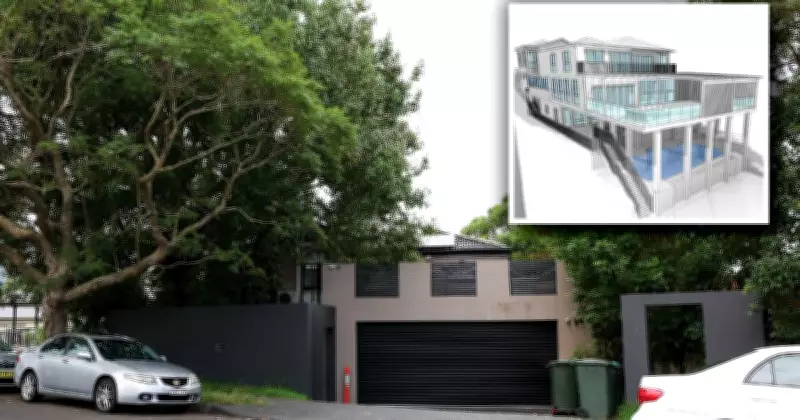
Wollongong Council Refuses Mangerton Home Extension Application
Wollongong City Council has formally rejected a development application for a significant home extension in the suburb of Mangerton, deeming the proposed construction excessive in scale and not in compliance with local planning regulations. The decision, made during a recent council meeting, highlights ongoing tensions between property owners seeking to expand their homes and municipal authorities enforcing strict development controls to preserve neighbourhood character.
Details of the Proposed Extension
The application sought approval for a substantial extension to an existing residential property on a standard suburban block in Mangerton. Plans included additional living spaces, bedrooms, and potentially a second storey, which council officers assessed as overly large for the site. According to council documents, the proposed footprint and height would have exceeded permissible limits under the Wollongong Local Environmental Plan, raising concerns about overshadowing, privacy impacts on neighbouring properties, and visual bulk.
Council's Rationale for Refusal
In their refusal notice, Wollongong Council cited multiple grounds for rejecting the application. Key issues included:

- Non-compliance with floor space ratios: The extension would have resulted in a total floor area surpassing the maximum allowed for the land size.
- Excessive building height: Proposed structures were deemed too tall, potentially disrupting the streetscape and local amenity.
- Inadequate setbacks: The design did not provide sufficient distance from property boundaries, which could affect neighbouring light and privacy.
- Impact on neighbourhood character: Council argued the scale was inconsistent with the low-density residential nature of Mangerton.
A council spokesperson stated, "This decision reflects our commitment to balanced development that respects community expectations and planning frameworks. We encourage applicants to engage with council planners early to ensure proposals are feasible and compliant."
Broader Implications for Wollongong Development
This case is part of a wider trend in Wollongong, where council has been tightening enforcement of development controls amid rapid urban growth. Similar refusals have occurred in suburbs like Fairy Meadow and Corrimal, as authorities aim to prevent overdevelopment and maintain liveability. Residents have expressed mixed views, with some supporting strict controls to protect property values and neighbourhood aesthetics, while others argue for more flexibility to accommodate growing families.
Planning experts note that such decisions can set precedents, influencing future applications in the region. They advise property owners to conduct thorough pre-lodgement meetings with council and consider scaled-back designs to avoid costly delays and refusals.
Next Steps for the Applicant
The property owner has the option to appeal the decision to the New South Wales Land and Environment Court or submit a revised application addressing council's concerns. However, this process can be time-consuming and expensive, underscoring the importance of aligning initial proposals with local planning guidelines. Community feedback during the assessment phase indicated significant opposition from neighbours, which may have influenced the council's stance.
As Wollongong continues to grow, balancing development aspirations with regulatory compliance remains a critical challenge for both council and residents.