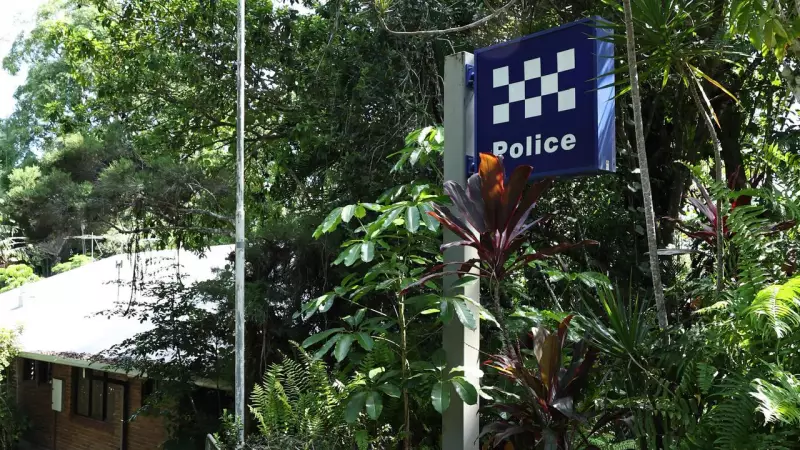
Police authorities in the Far North Queensland town of Kuranda have publicly addressed concerns regarding the handling of problem youths, revealing why detention is not a primary option in the area. This explanation comes amid ongoing community discussions about youth crime and public safety in the region.
Lack of Detention Facilities in Kuranda
According to police statements, one of the key reasons why youths are not detained in Kuranda is the absence of local detention facilities. The town, located near Cairns, does not have dedicated youth detention centres, which means that any detention would require transporting individuals to other locations, such as Cairns or larger cities. This logistical challenge often makes detention impractical for minor or first-time offences.
Focus on Community-Based Interventions
Police have emphasised that their approach prioritises community-based interventions over detention. This strategy includes working with youth services, schools, and families to address underlying issues that may contribute to criminal behaviour. By focusing on prevention and rehabilitation, authorities aim to reduce reoffending rates and support young people in making positive life choices.

Officers highlight that detention is typically reserved for serious or repeat offenders, while many cases in Kuranda involve less severe incidents. The goal is to balance public safety with the welfare of young individuals, recognising that detention can sometimes exacerbate problems rather than solve them.
Community Reactions and Challenges
Local residents have expressed mixed reactions to this police approach. Some community members support the emphasis on intervention, arguing that it helps address root causes like poverty, family issues, or lack of opportunities. Others, however, are concerned about perceived leniency and call for stricter measures to deter youth crime.
Police note that they face challenges in implementing this strategy, including limited resources and the need for collaboration with other agencies. Efforts are ongoing to improve coordination and ensure that interventions are effective in reducing crime rates.
Broader Implications for Youth Justice
This situation in Kuranda reflects broader debates in Australia about youth justice and detention policies. Across the country, there is increasing scrutiny on how to best handle young offenders, with many advocating for alternatives to incarceration that focus on education and support.
In Queensland, state policies also influence local practices, with recent reforms aiming to reduce youth detention numbers. Police in Kuranda are operating within this framework, seeking to align their methods with statewide goals for rehabilitation and crime prevention.
As discussions continue, authorities stress the importance of community engagement in finding solutions. They encourage residents to report incidents and participate in local initiatives aimed at supporting at-risk youths and enhancing public safety in Kuranda and surrounding areas.