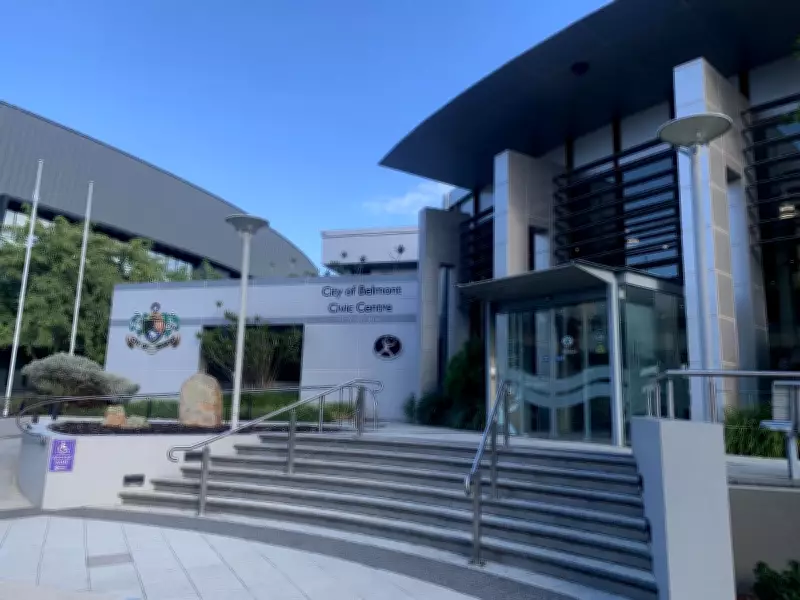
Online Voting Proposal Aims to Revitalise Local Government Elections in Western Australia
Calls are growing for the introduction of online voting in local government elections across Western Australia, as part of a concerted effort to address persistently low voter participation rates. This initiative is set to be debated by the City of Belmont later this month, with Councillor Jenny Davis championing the change as a means to modernise electoral processes and enhance accessibility for a broader range of voters.
Current Electoral Framework and Proposed Changes
Under existing legislation, local government elections in Western Australia are non-compulsory and occur biennially, unless an extraordinary election is required. Currently, councils are restricted to conducting elections either in person or via postal voting, with no provisions for online, telephone, or mobile voting options offered by the Western Australian Electoral Commission.
Councillor Davis has submitted a motion urging the City of Belmont to lobby the State Government to permit secure online voting for future elections. If approved, this motion would mandate the city's chief executive to formally request legislative amendments from the Minister for Local Government and State Government. Additionally, the CEO would be required to seek support from the Western Australian Local Government Association to advocate for these changes.

Potential Benefits of Online Voting
In her motion, Cr Davis highlighted several advantages of online voting, emphasising its potential to improve accessibility and increase voter participation. "Online voting has the potential to improve accessibility, increase voter participation, and modernise electoral processes, particularly for people with disability, remote residents, and those unable to attend polling places or utilise postal voting effectively," she stated.
She further argued that online systems could integrate reminders, instructions, and ballot access into a single user-friendly process, thereby streamlining the voting experience and potentially boosting turnout. "Online voting systems can integrate these more directly than traditional voting methods, improving turnout," Cr Davis added.
Voter Turnout Challenges and Broader Reforms
Voter turnout in local government elections across Western Australia remains alarmingly low. In 2023, in-person elections recorded a participation rate of just 19.13 per cent, while postal elections achieved a slightly higher rate of 31.59 per cent. The City of Belmont has seen voter turnout fluctuate between 25 and 29 per cent since 2019.
During the 2025 local government election, the State Government indicated potential future reforms, including the introduction of compulsory voting and a shift to four-year full-spill elections. Local Government Minister Hannah Beazley acknowledged the issue of voter fatigue, noting, "Voter fatigue is something I’m really aware of, it’s brought up with me by both local councils, but also residents all the time." She revealed that discussions are underway to consider four-year fixed terms for local council elections instead of the current two-year rolling terms, aiming to provide elected members with more time to implement their plans.
National Context and Comparative Practices
Other forms of voting are already utilised elsewhere in Australia. At the federal level, the Australian Electoral Commission deploys mobile voting teams to visit aged care homes, prisons, and remote communities, while telephone voting is available for voters who are blind or have low vision. In the Australian Capital Territory, electronic voting machines are used at polling places, and New South Wales previously employed an online voting platform known as iVote before suspending it ahead of the 2023 state election.
The City of Belmont is scheduled to make a decision on the motion at their meeting on March 24, marking a critical step in the push to modernise local electoral processes and address declining voter engagement.