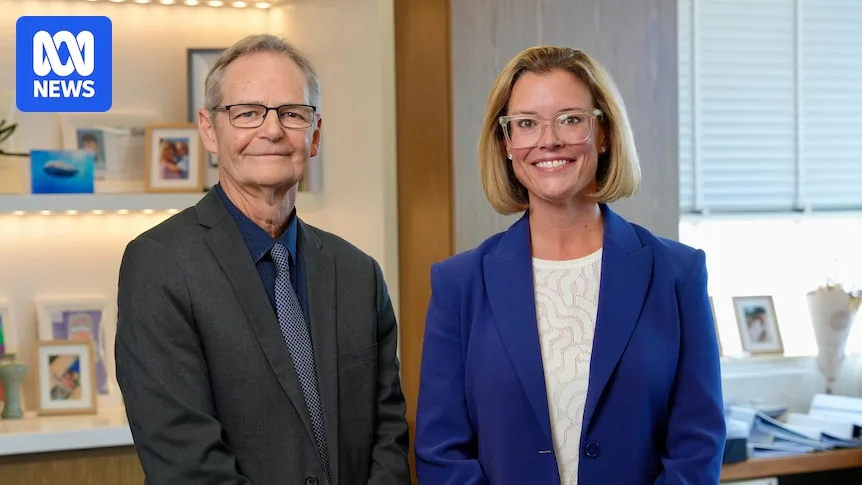
Western Australia's first Local Government Inspector, Tony Brown, has been granted expanded powers effective from the start of the month, allowing him to intervene in dysfunctional councils across the state. The new powers include the ability to send in monitors and legal and financial experts, as well as suspend or dismiss entire councils, including mayors.
Mr Brown, who began his role in October, has set his sights on the City of Perth after the council self-referred following a workplace review controversy involving Mayor Bruce Reynolds. The mayor had given councillors just six minutes' notice about his intention to order a $125,000 independent workplace culture review, which he later abandoned after public backlash and the resignation of the acting chief executive.
The inspector's role is part of local government reforms passed in late 2024, focusing on early intervention to prevent issues from escalating. Unlike Local Government Minister Hannah Beazley, who had to wait until problems became severe, Mr Brown can step in at any time. He warned that none of the state's 139 councils are off the hook, stating, 'All 139 local governments are in my line of sight.'

The new powers also include a 'three strikes rule' for council members, where three suspensions will lead to a 10-year disqualification. An appointed adjudicator can order mediation, make findings, and impose sanctions such as public censure, apology, counselling, withholding of fees for up to three months, or suspension for up to three months.
Mr Brown, who has over 40 years of experience across seven local governments and the Western Australian Local Government Association, expressed optimism about improving governance and accountability. 'Local governments do great things, and to be able to work with them so that they can provide good value for their residents and ratepayers — that's what I'm looking forward to,' he said.
Opposition spokesperson Kirrilee Warr welcomed the role but expressed concern about the delay in setting up the office, which was touted four years ago. Minister Beazley hopes the inspector's 'extra level of oversight' will address dysfunction, noting that several local governments are under close watch.